
Austria's Imperial Charm: Where Classical Elegance Meets Alpine Adventure
Austria is what happens when classical music, mountain air, and imperial elegance decide to collaborate on creating the perfect escape from ordinary life.
This is a country where you can attend world-class concerts in palaces where Mozart actually performed, hike through Alps that inspired The Sound of Music, and discover that Austrian gemütlichkeit isn't just a tourism slogan – it's a genuine cultural philosophy about making life beautiful and comfortable simultaneously.
But here's Austria's hidden secret: beneath all that imperial sophistication lies a culture that genuinely believes everyone deserves to experience beauty, music, and mountain serenity as part of regular life, not just special occasions.
When Empires Built for Beauty Instead of Just Power
Austria operates like a country designed by people who understood that true power comes from creating cultural achievements so beautiful they inspire rather than intimidate.
Walking through Austrian cities feels like discovering what happens when unlimited imperial resources get directed toward art, music, architecture, and landscape design rather than just military conquest.
The Habsburgs may have ruled half of Europe, but their lasting legacy isn't battlefield victories – it's concert halls where Beethoven premiered symphonies, palaces where artistic genius found patronage, and traditions that made cultural sophistication accessible rather than exclusive.
Austria preserved this heritage while making it welcoming rather than intimidating.
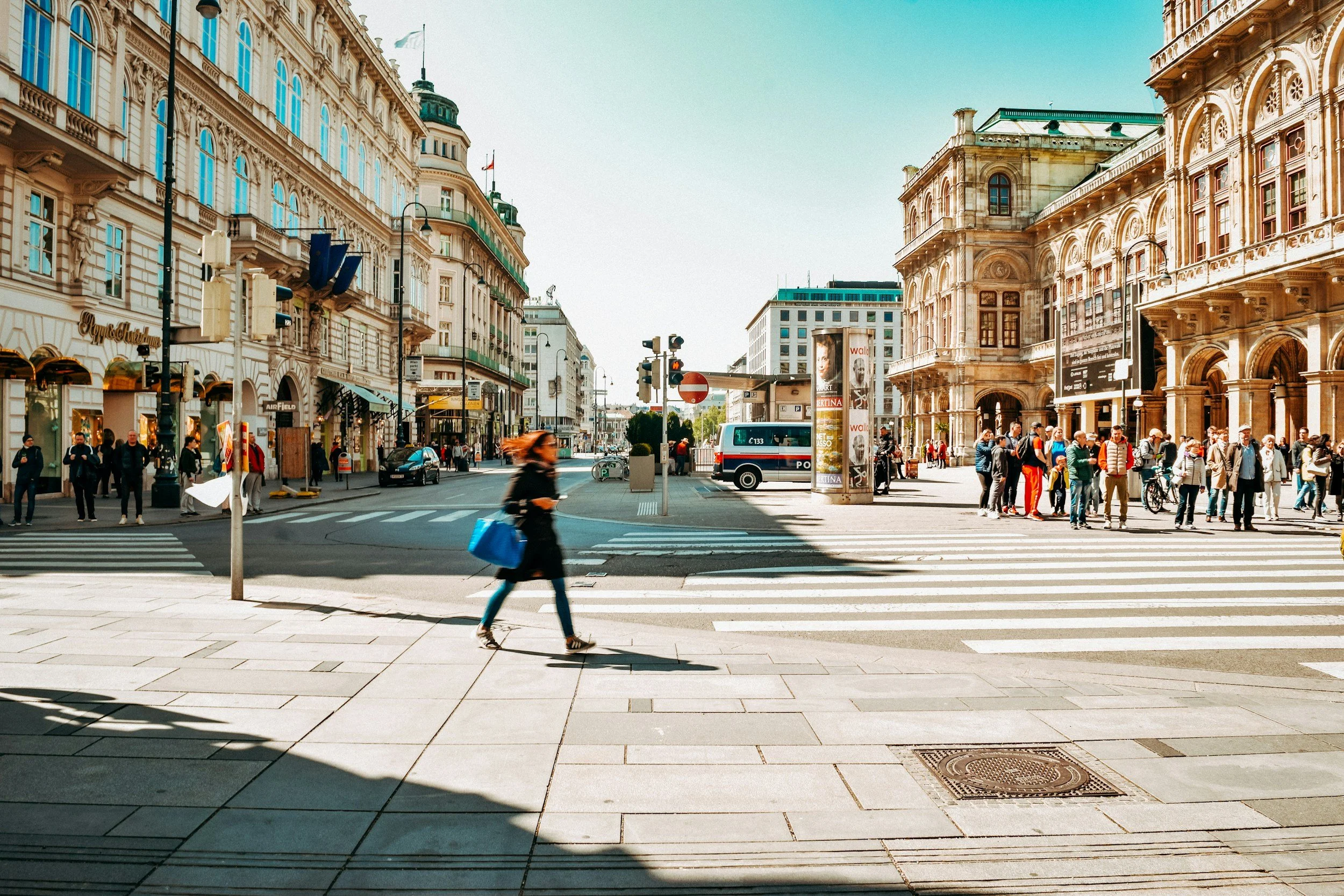
Vienna: Where Music Lives in Every Stone
Concert Halls That Still Echo with Genius
Vienna's musical heritage isn't museum-preserved history – it's living culture where world-class performances happen nightly in venues where musical history was actually made.
The Musikverein, home to the Vienna Philharmonic, offers acoustic perfection that makes every performance feel like personal conversation between musicians and audience members.
Our private concert arrangements provide families with experiences that connect contemporary musical appreciation to the tradition that produced Mozart, Beethoven, Schubert, and Strauss.
Sitting in the same halls where these composers premiered their works creates emotional connections to classical music that transforms appreciation from academic exercise into personal discovery.
The Vienna State Opera continues traditions established when opera represented cutting-edge entertainment rather than historical preservation.
Watching performances in settings designed for imperial court entertainment helps families understand how music functioned as both artistic expression and social experience in cultures that prioritized beauty as essential rather than optional.
Imperial Architecture That Tells Stories
Schönbrunn Palace demonstrates how imperial power expressed itself through beauty rather than intimidation.
The palace's 1,441 rooms tell stories about Austrian court life, international diplomacy, and artistic patronage that shaped European culture.
Gardens designed as outdoor entertainment spaces show how imperial leisure created public beauty that continues enriching contemporary life.
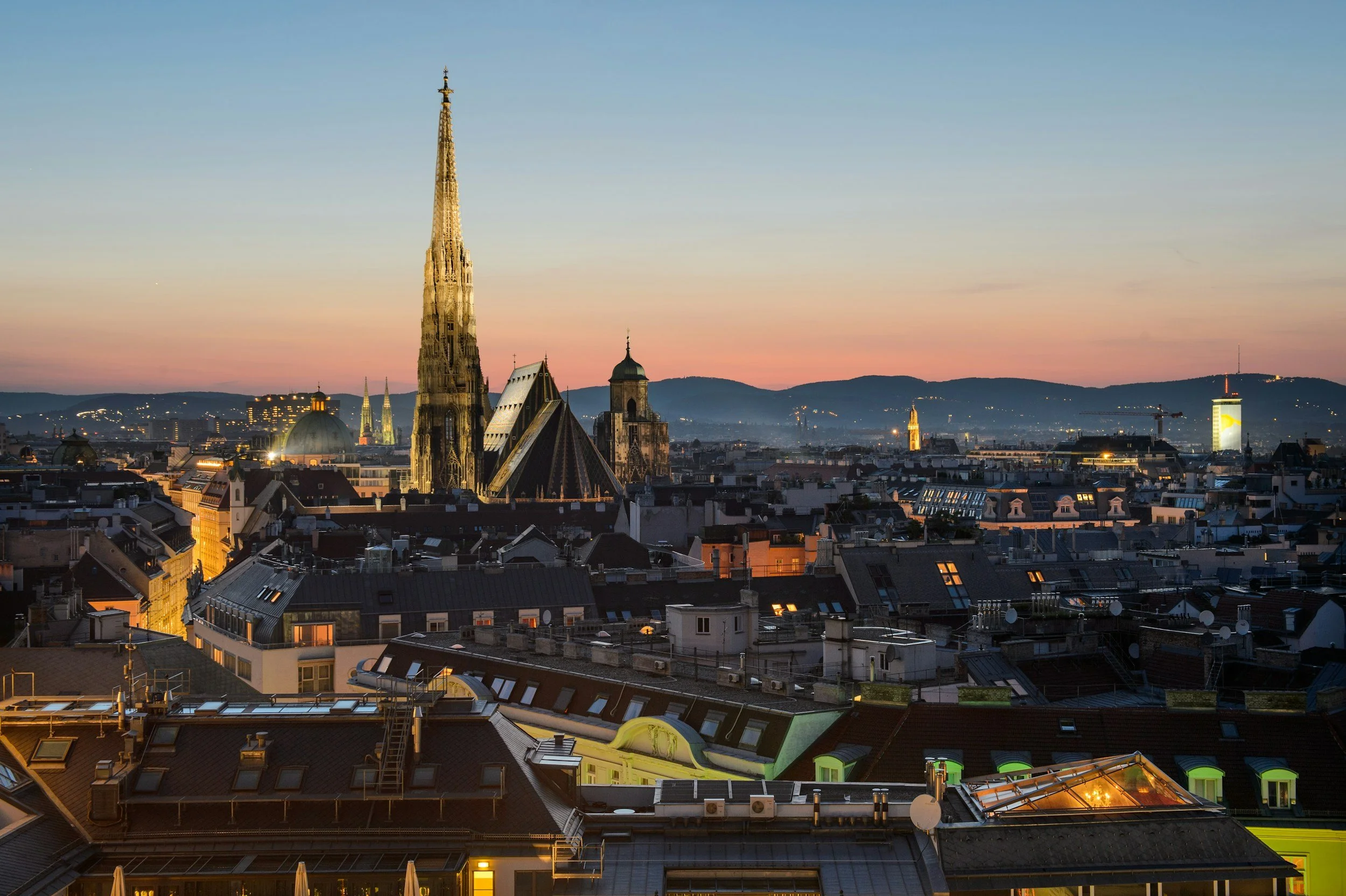
The Ringstrasse boulevard showcases 19th-century Vienna's commitment to urban beauty through museums, theaters, and public buildings that demonstrate how societies can invest in cultural institutions that serve both practical and inspirational purposes.
Walking this imperial boulevard reveals how thoughtful urban planning creates environments that make daily life feel elevated.
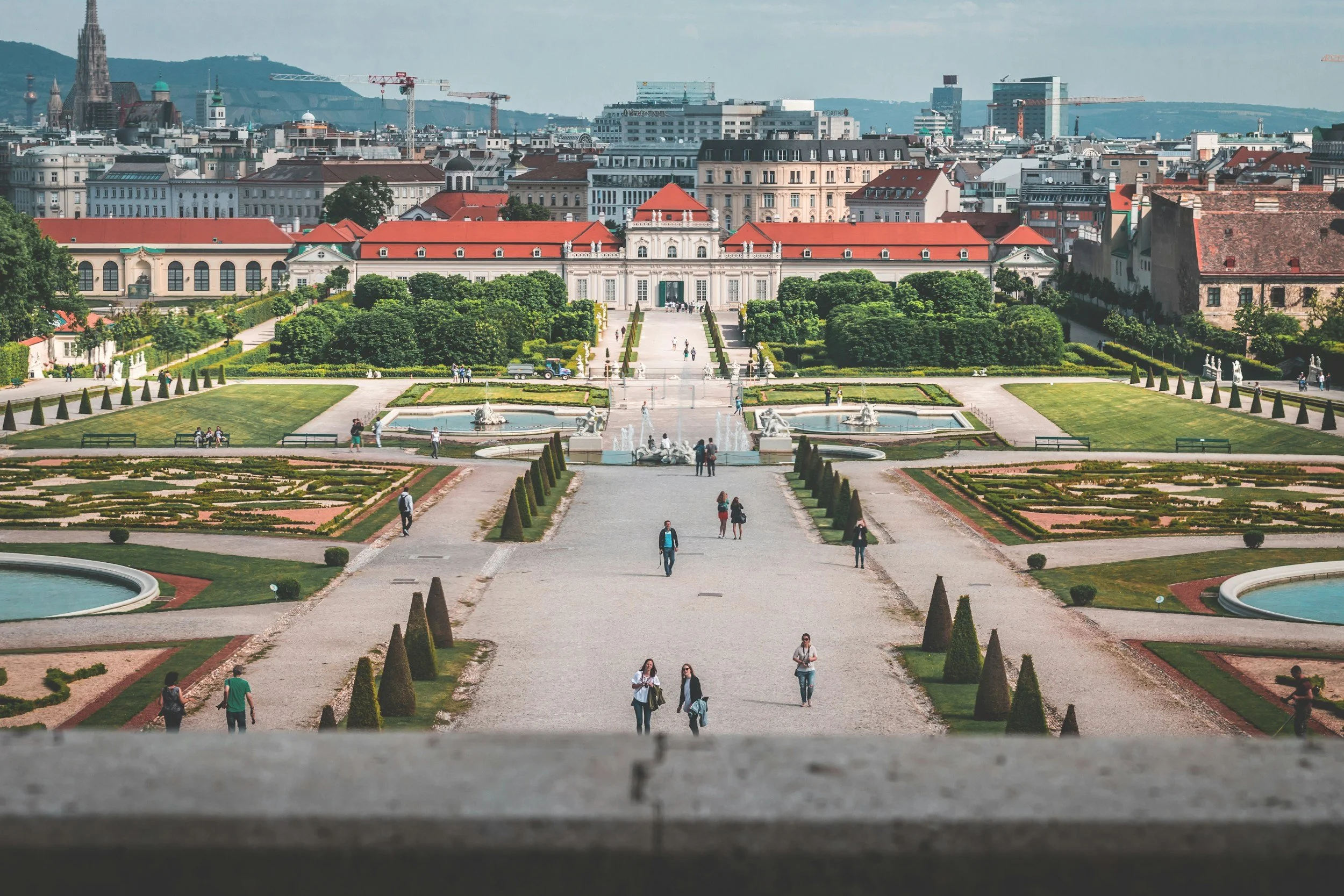
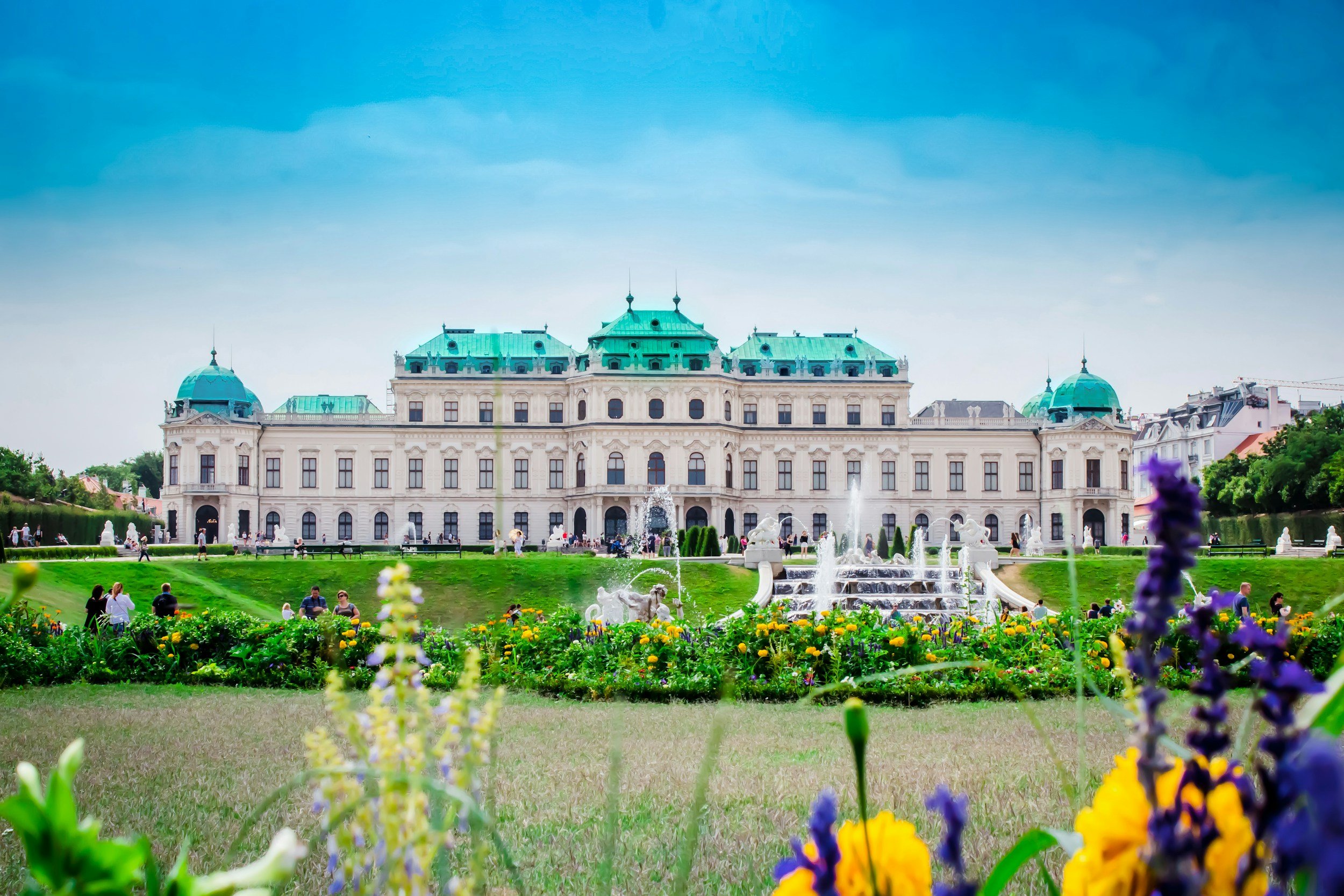
Belvedere Palace houses art collections in settings that enhance rather than compete with masterpieces, demonstrating Austrian understanding that architecture should support rather than overwhelm artistic achievement.
The palace's baroque gardens provide outdoor spaces where art appreciation extends into landscape design and seasonal beauty.
Salzburg: Mozart's Hometown That Stays Musical
Beyond Tourist Sound of Music
Salzburg offers families authentic musical heritage in a city small enough to explore comfortably while rich enough to provide days of cultural discovery.
Mozart's birthplace provides personal connection to musical genius while explaining how Salzburg's court culture nurtured artistic development during classical music's golden age.
The city's baroque architecture creates perfect acoustic environments where street musicians, cathedral choirs, and festival performances demonstrate how music remains integrated into daily life rather than confined to formal concert settings.
Walking through Salzburg's old town provides constant musical education through ambient sound that ranges from church bells to impromptu performances.
Salzburg Festival offers families world-class performances in intimate settings that make classical music accessible rather than intimidating.
The festival's outdoor stages use Alpine landscapes as natural amphitheaters, connecting musical appreciation to environmental beauty in ways that enhance both experiences.
Culinary Traditions That Comfort and Delight
Austrian cuisine represents comfort food elevated to art form through ingredients, techniques, and presentation that satisfy both hunger and aesthetic appreciation.
Salzburg's traditional restaurants serve dishes that connect contemporary dining to centuries of culinary development influenced by imperial court standards and Alpine practicality.
Cooking classes teach families techniques for creating Austrian specialties while learning about ingredient sourcing, seasonal cooking, and family traditions that maintain cultural continuity.
Austrian hosts share knowledge about regional differences, wine pairings, and meal customs that reflect Austrian values about hospitality, quality, and taking time to enjoy life properly.
Alpine Adventures That Restore Perspective
Mountain Experiences for Every Ability Level
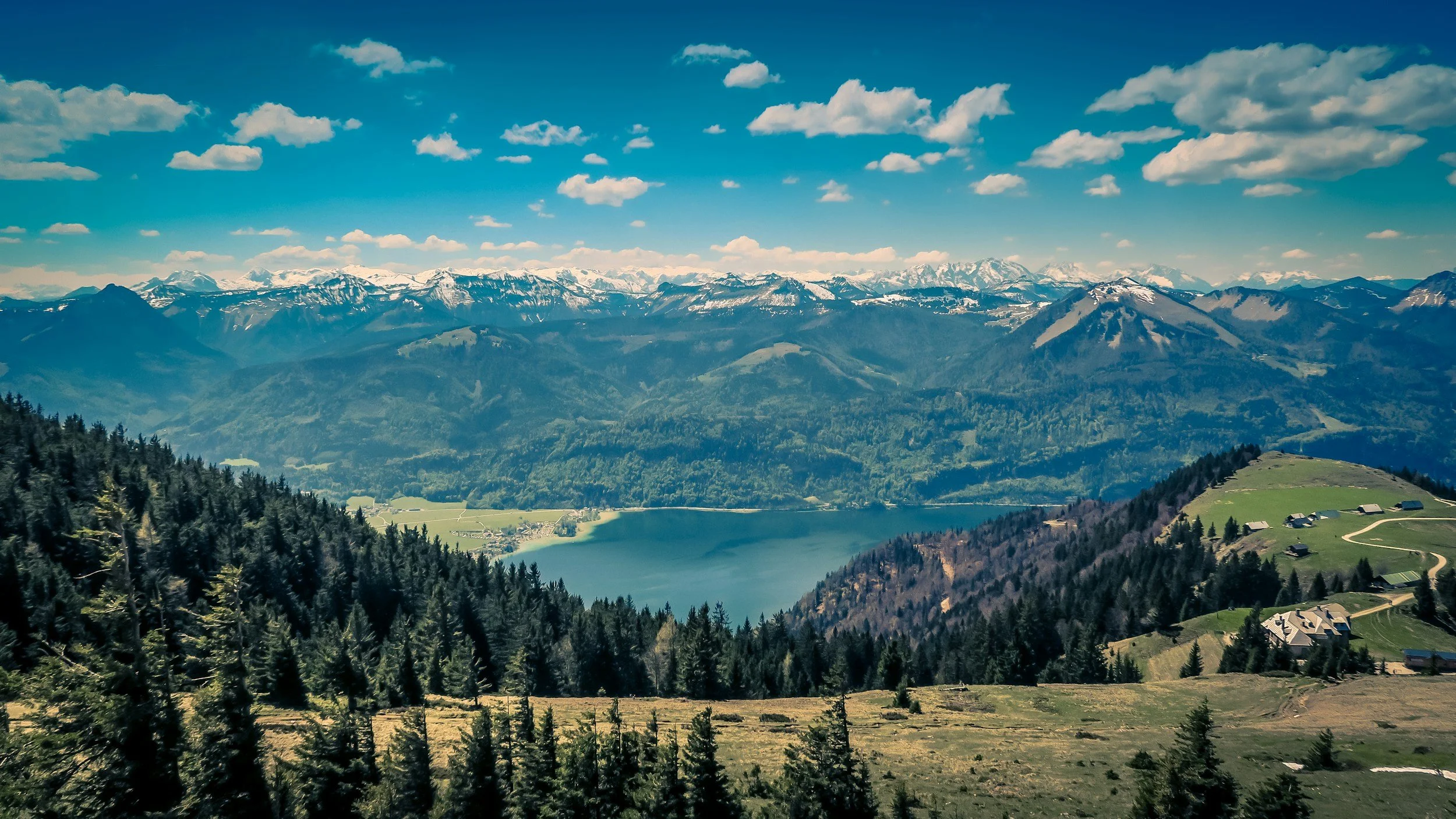
Austrian Alps provide families with mountain experiences that range from gentle valley walks to challenging summit hikes, ensuring everyone can participate in Alpine beauty regardless of fitness level or outdoor experience.
Cable cars and mountain railways make spectacular viewpoints accessible while preserving energy for exploration and appreciation.
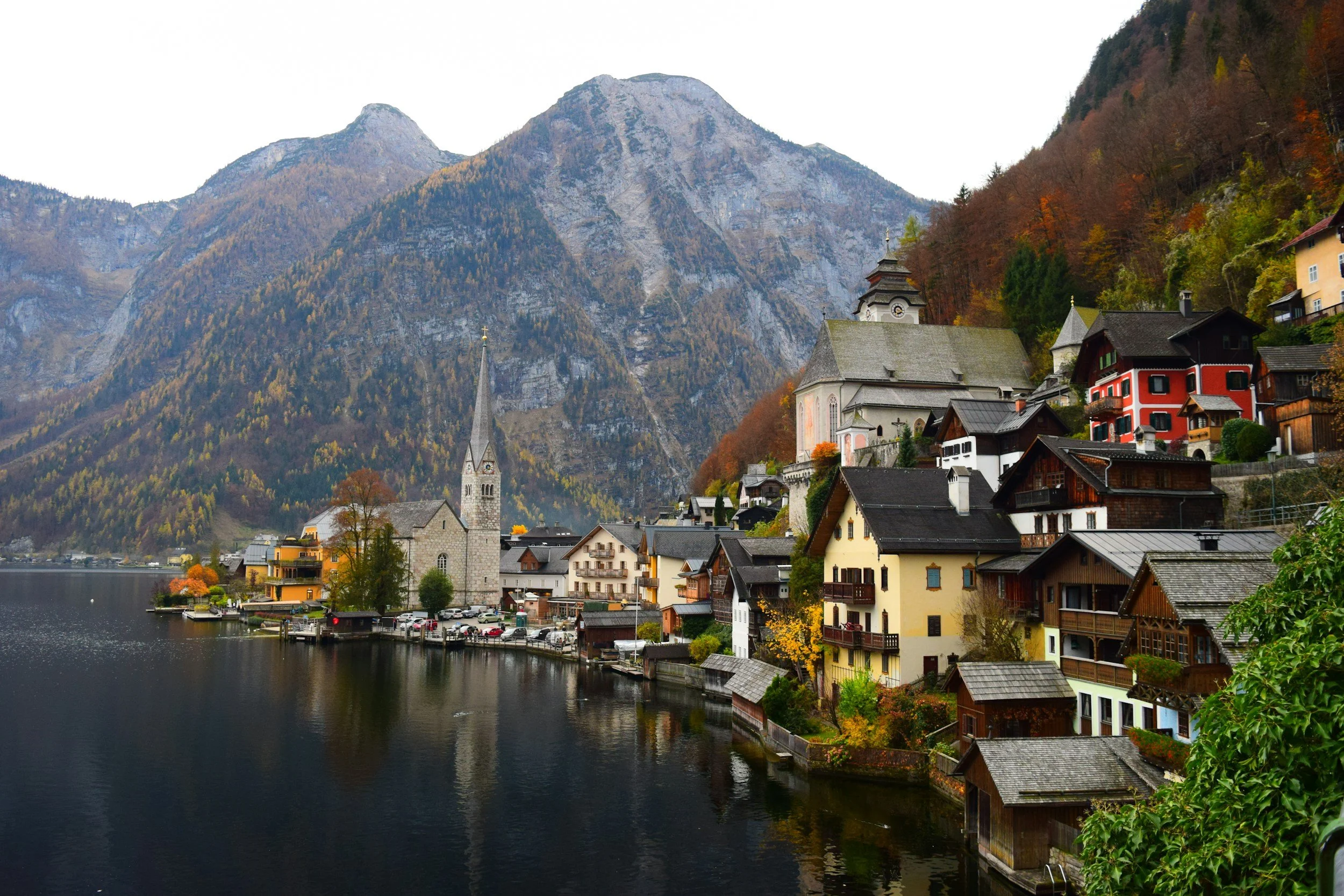
Hallstatt demonstrates how Alpine communities developed sustainable relationships with challenging mountain environments while creating settlements so beautiful they inspire fairy tale illustrations.
The lakeside village offers families opportunities to understand how geography, culture, and economic necessity combined to create communities that prioritize beauty alongside practicality.
Alpine hut experiences provide families with authentic mountain hospitality where traditional accommodation, hearty food, and spectacular settings create connections to Austrian mountain culture that shaped national character through centuries of adaptation to dramatic landscapes.
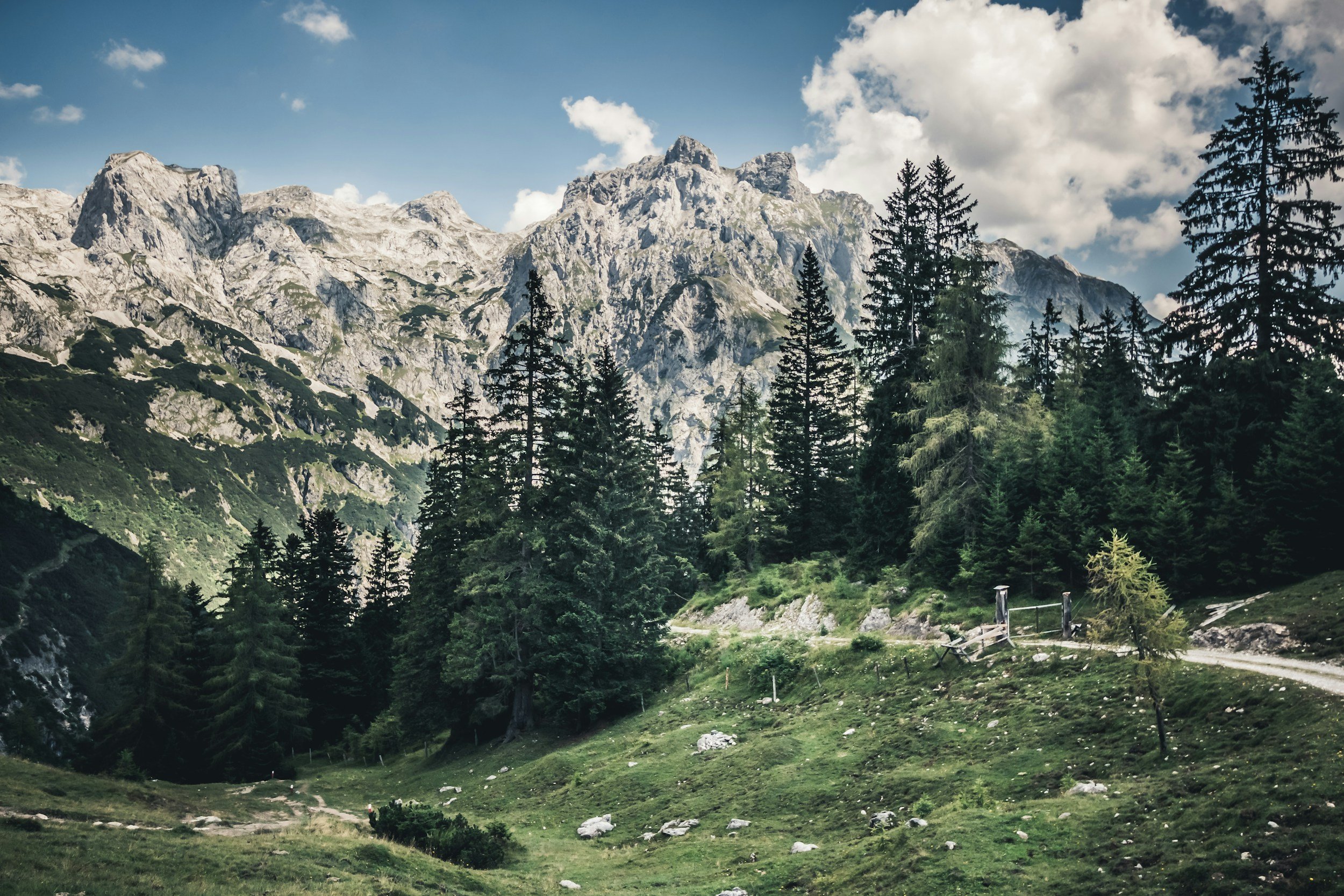
Sound of Music Landscapes That Actually Deliver
The real locations that inspired The Sound of Music offer families experiences that exceed movie expectations through natural beauty that makes fictional romance seem understated rather than exaggerated.
Salzburg's surrounding countryside provides hiking, cycling, and scenic driving through landscapes that demonstrate why Austria inspired so many artists, composers, and writers.
Lake districts near Salzburg offer families water activities in settings that combine Alpine grandeur with accessible recreation.
Swimming, boating, and lakeside relaxation provide alternatives to mountain hiking while maintaining connection to Austrian natural beauty and outdoor lifestyle traditions.
Cultural Immersion Through Daily Austrian Life
Gemütlichkeit as Life Philosophy
Austrian gemütlichkeit represents more than hospitality – it's a cultural approach to life that prioritizes comfort, quality, and taking time to appreciate beauty in daily experiences rather than rushing through obligations.
Families experience this philosophy through café culture, unhurried meals, and social customs that value conversation and connection.
Viennese coffee house culture provides families with education about how Austrians transformed daily necessities into cultural institutions that support community, intellectual discussion, and artistic appreciation.
Spending afternoon hours in traditional coffee houses teaches patience, conversation, and appreciation for environments designed to enhance rather than hurry social interaction.
Austrian markets demonstrate how food shopping becomes cultural experience through attention to quality, seasonal availability, and vendor relationships that maintain community connections across generations.
Families learn about ingredient selection, preparation techniques, and meal planning that reflects Austrian values about nourishing both body and social relationships.
Seamless Austrian Elegance
Our Austrian planning ensures families experience cultural sophistication without intimidation through guides who understand how to make imperial heritage accessible and Alpine adventures comfortable.
Transportation coordination manages mountain weather and city logistics while maximizing scenic experiences and cultural opportunities.
Accommodation selection balances historical character with contemporary comfort, whether staying in converted imperial properties, Alpine lodges with traditional architecture, or contemporary hotels that maintain Austrian hospitality standards.
Austrian service culture emphasizes anticipating guest needs while respecting personal space and family dynamics.
Activity timing coordinates indoor cultural experiences with outdoor adventures while considering weather patterns, seasonal events, and energy levels that ensure optimal experiences without overwhelming schedules.
We work with local experts whose knowledge enhances appreciation while maintaining flexibility for spontaneous discoveries.
Creating Austrian Appreciation That Lasts
Austria changes how families understand the relationship between cultural achievement, natural beauty, and daily life quality.
Experiencing environments designed to make ordinary activities feel special provides perspective on how societies can prioritize beauty, music, and comfort as essential rather than luxury elements.
Families return from Austria with enhanced appreciation for classical music, architectural beauty, and outdoor recreation while understanding how these elements can enhance daily life rather than remaining occasional special experiences.
Austrian cultural values about quality, patience, and taking time to appreciate beauty influence family perspectives long after travel concludes.
Ready to discover how Austria makes imperial elegance feel surprisingly comfortable and mountain adventures surprisingly accessible?
Contact Around the World Travel and Tours today, and let us design your Austrian journey where culture, comfort, and Alpine beauty create experiences that feel both sophisticated and wonderfully welcoming.