
Poland's Rich Heritage: Where Resilience Becomes Beauty and Every Village Remembers
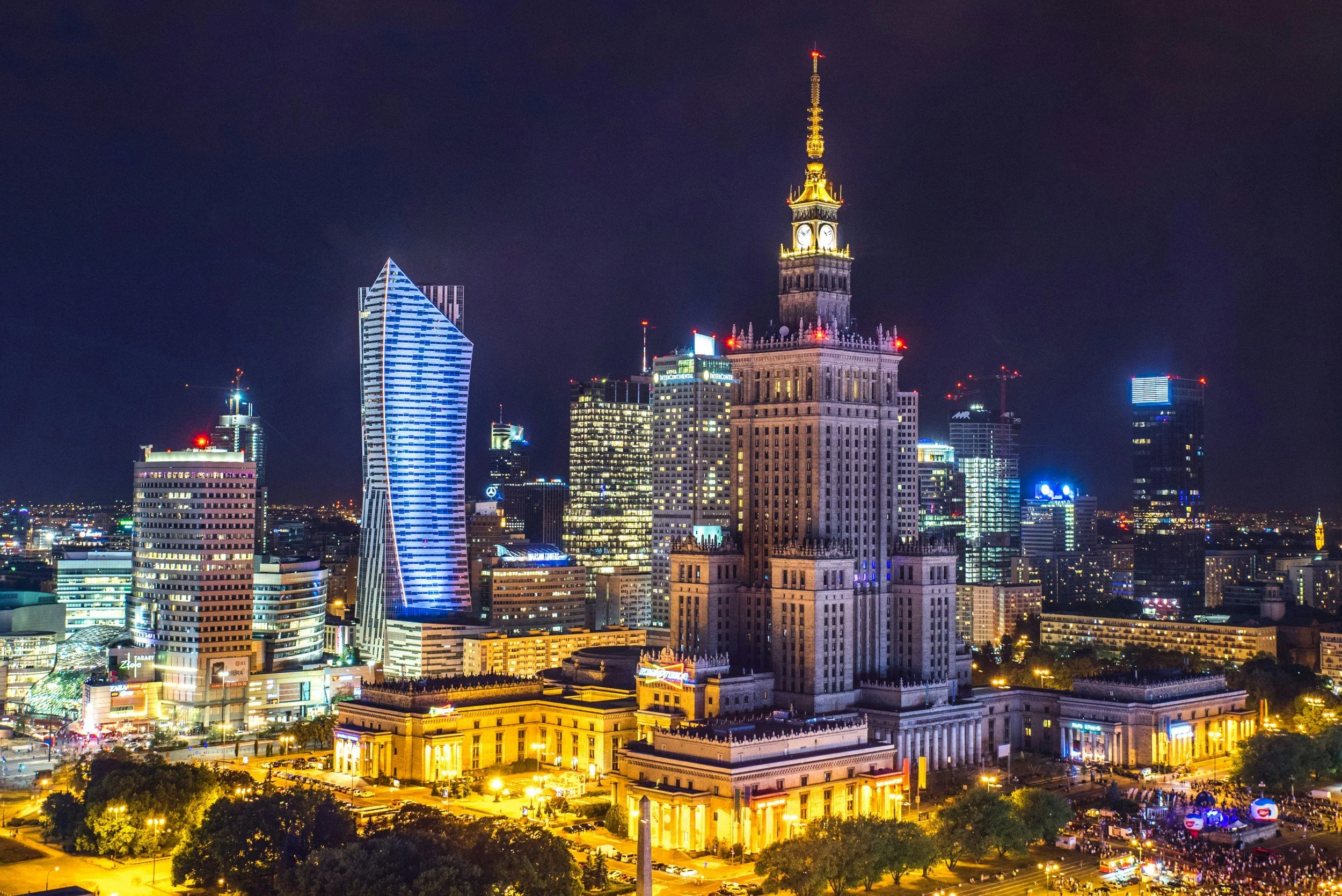
Poland doesn't just have history – it has survived history, transformed it, and emerged with cultural traditions so resilient they make contemporary challenges look manageable.
This is a country where every cobblestone street tells stories of survival, where traditional crafts continue because people refused to let them disappear, and where hospitality isn't just courtesy – it's a cultural statement about human dignity that no political system could ever quite suppress.
Walking through Polish cities and villages feels like discovering how ordinary people create extraordinary beauty from whatever circumstances life provides, then preserve that beauty for generations who haven't even been born yet.
When Culture Survives Everything History Throws at It
Poland operates as living proof that cultural identity transcends political borders, economic systems, and historical catastrophes.
Polish heritage didn't just survive centuries of partition, occupation, and reconstruction – it adapted, evolved, and maintained essential characteristics that continue shaping contemporary Polish life.
Visiting Poland means witnessing how communities preserve traditions not through museums or government programs, but through daily practice, family transmission, and collective determination that cultural heritage represents something worth protecting regardless of external circumstances.
Polish culture demonstrates that resilience isn't just survival – it's the ability to maintain beauty, dignity, and community connection through whatever challenges emerge.
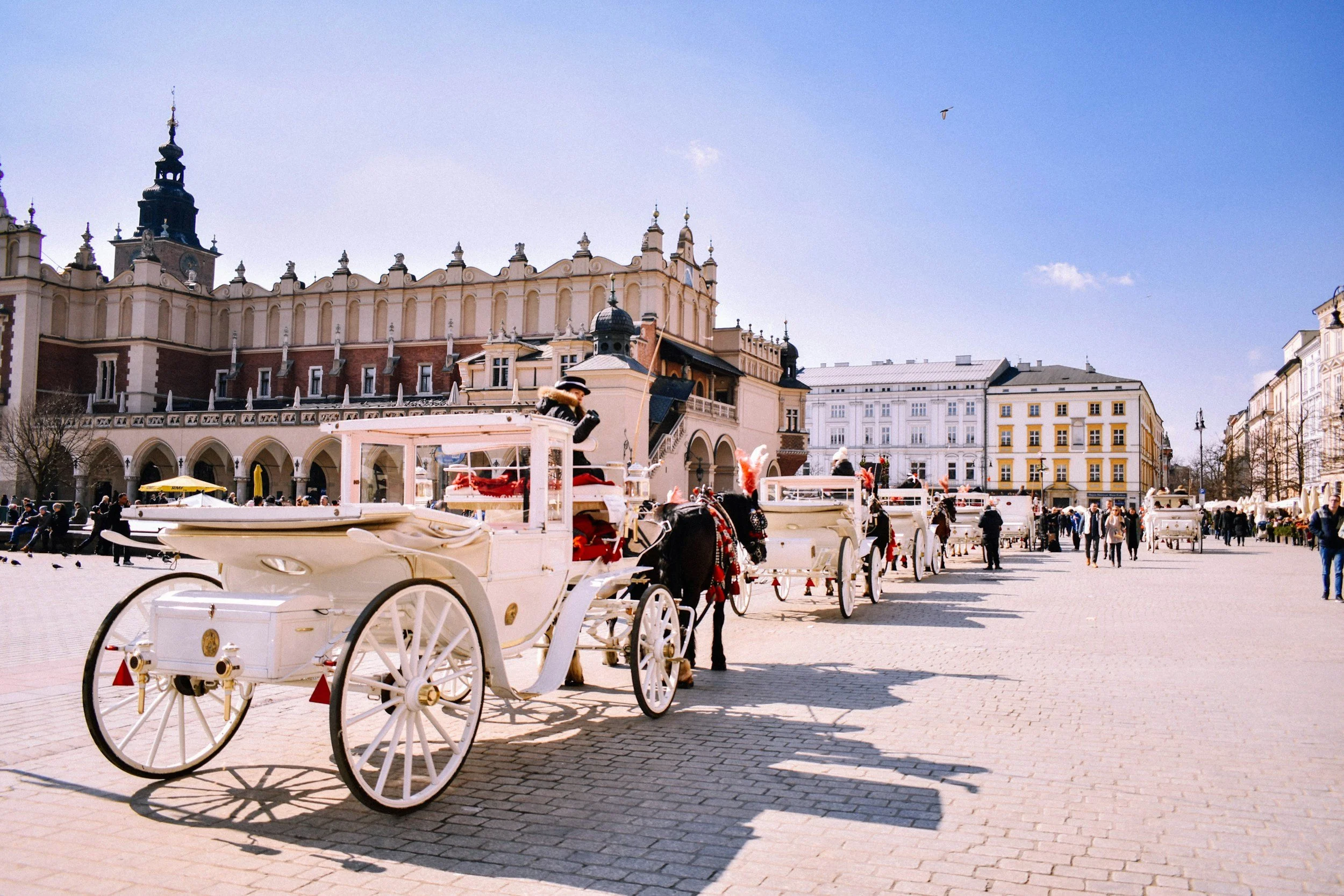
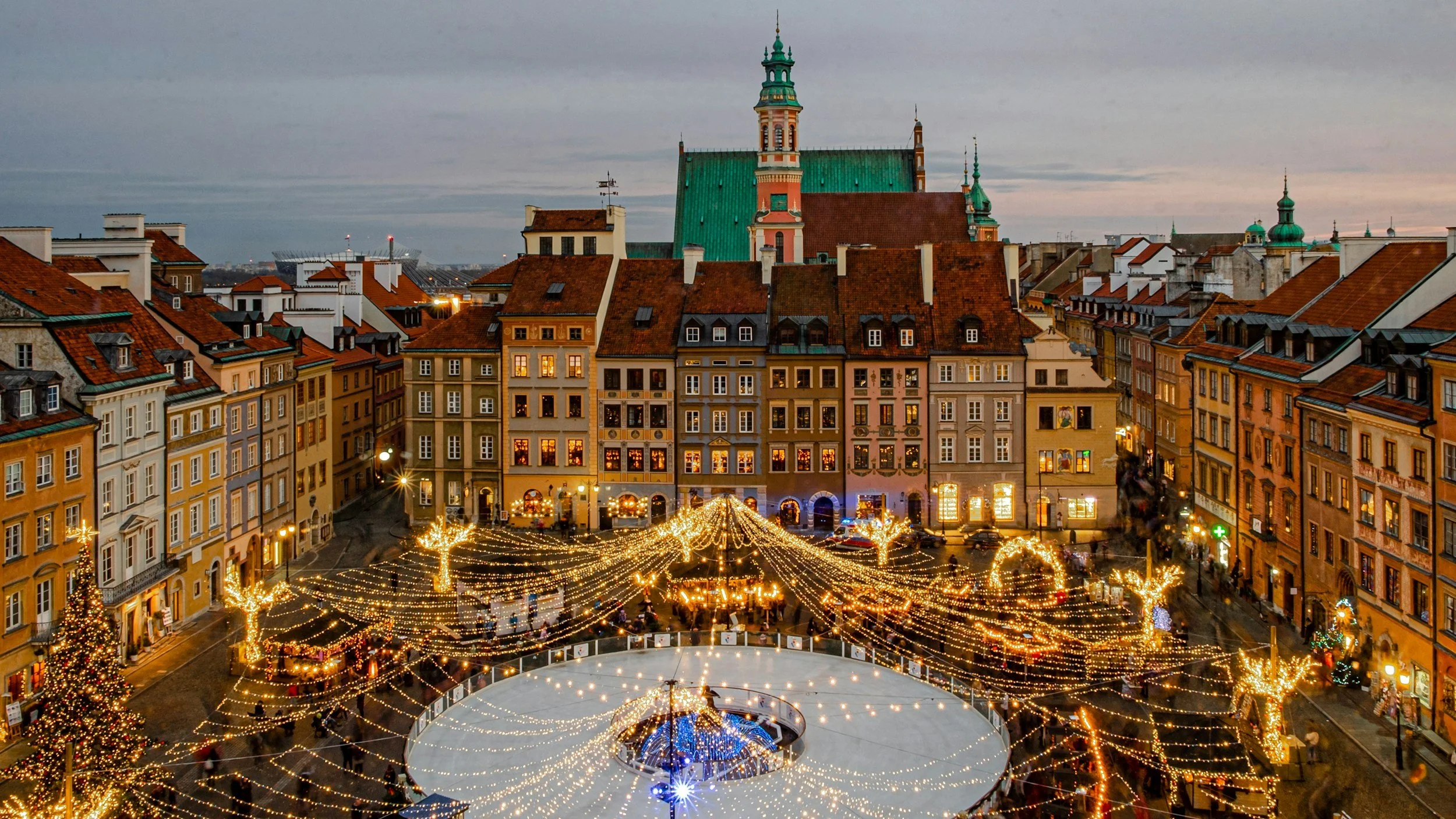
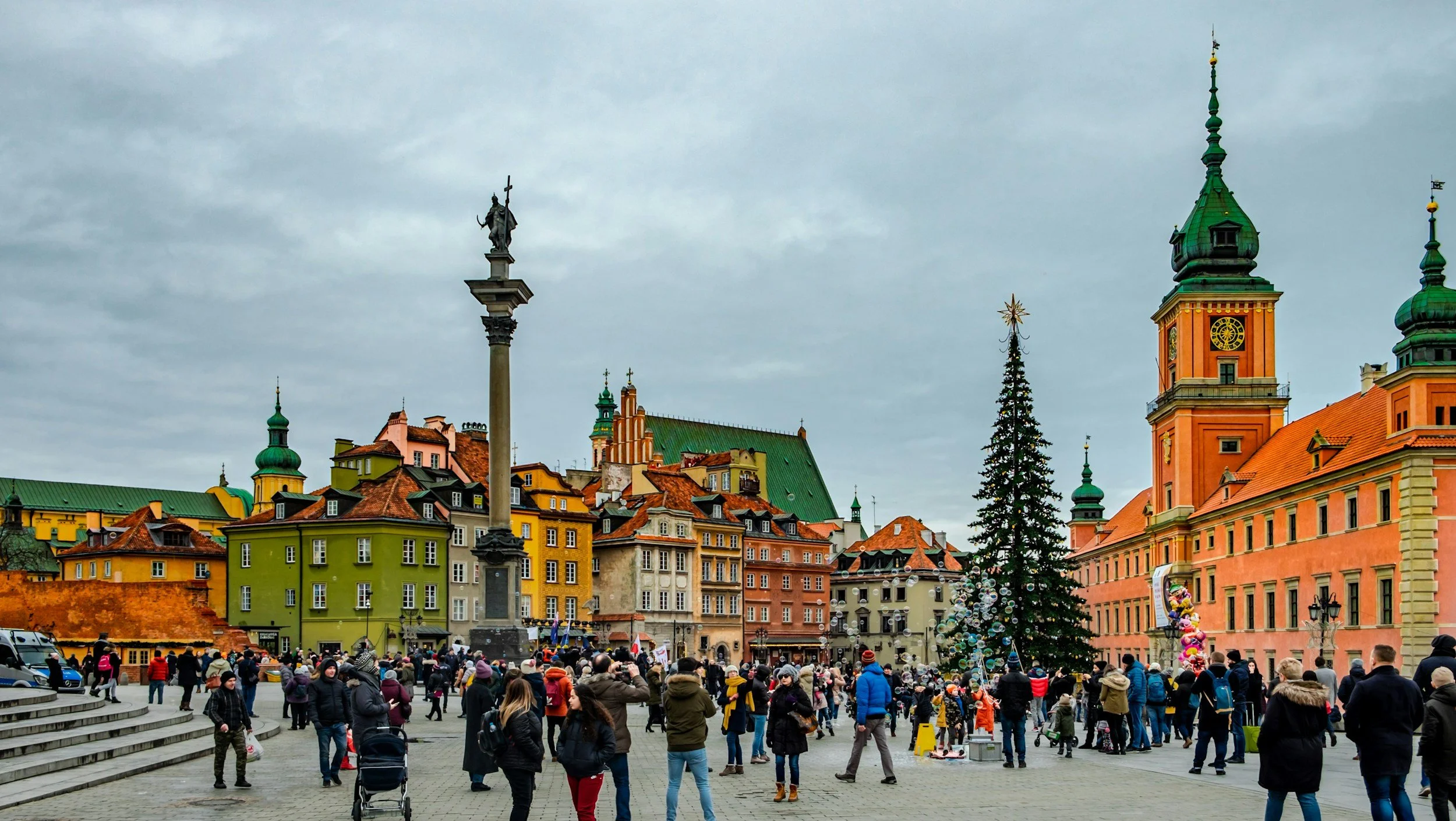
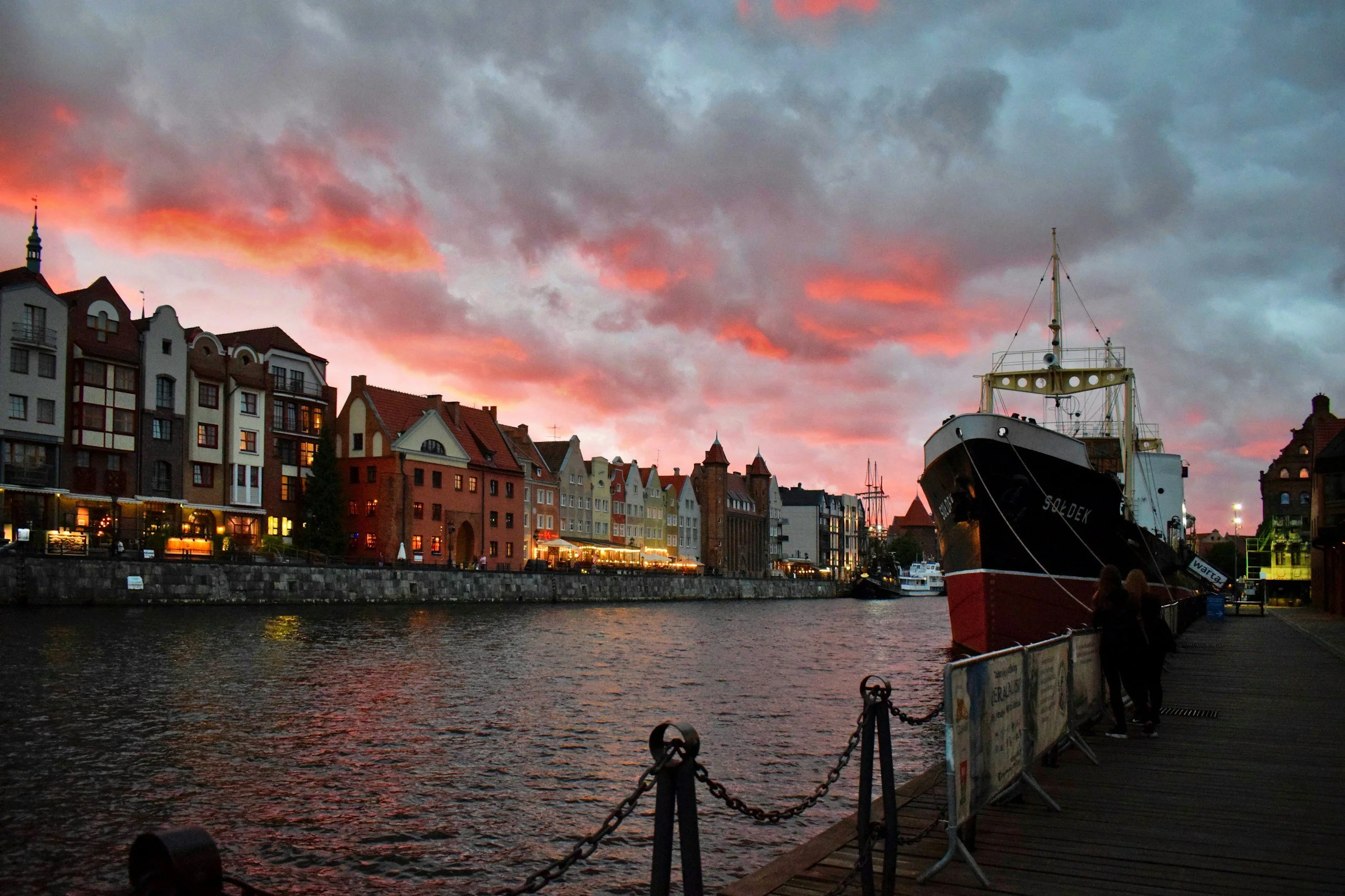
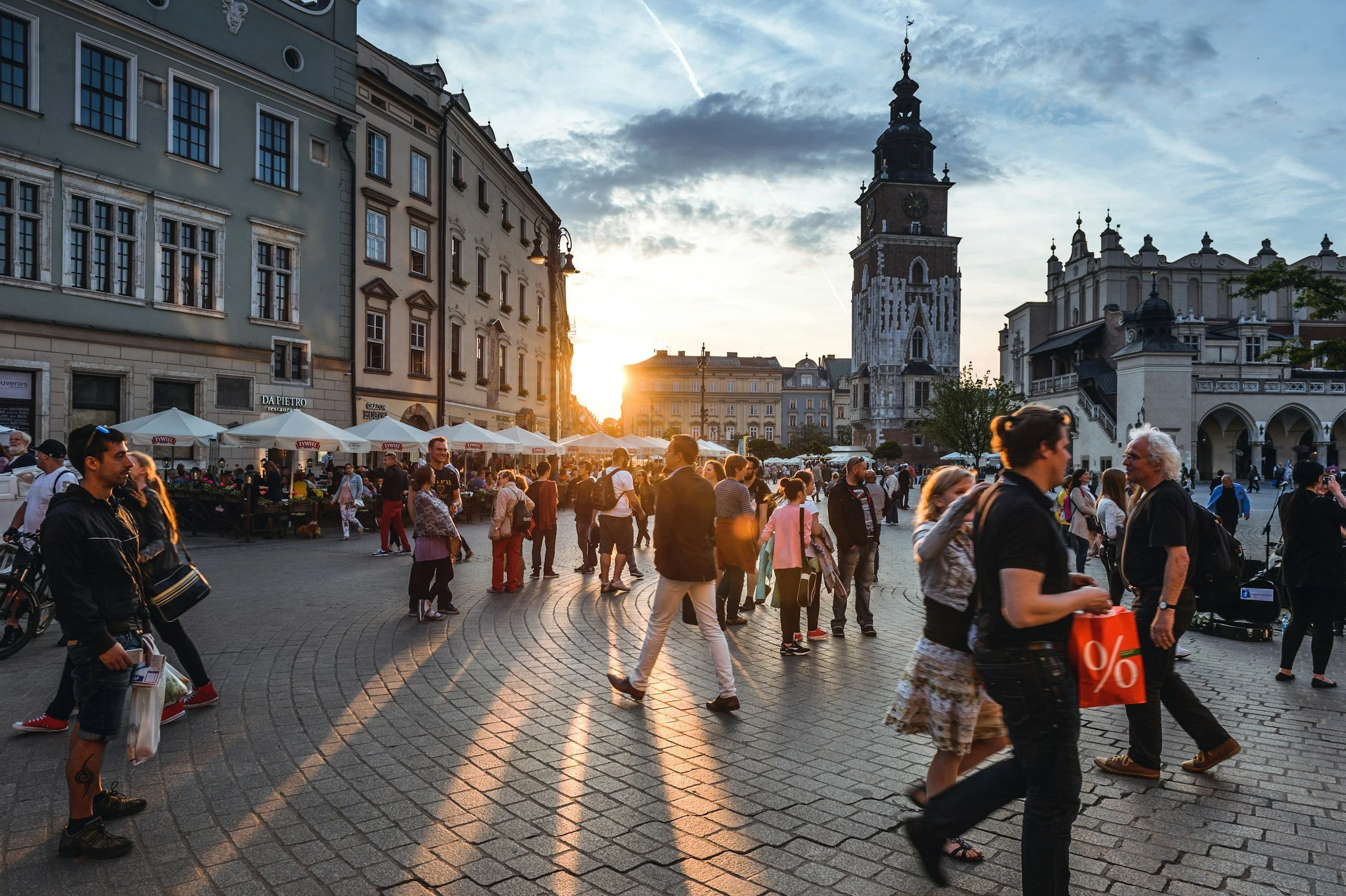
Krakow: Medieval Beauty That Refused to Surrender
Walking Through Unbroken History
Krakow's Old Town provides one of Europe's most complete medieval experiences because the city somehow avoided the destruction that claimed so many other Central European centers.
The Main Market Square operates as it has for 700 years – a community gathering place where commerce, culture, and daily life intersect in settings that make medieval urban planning feel contemporary.
St. Mary's Basilica tells Polish history through architecture that spans Gothic foundation to baroque decoration, but the real story lives in traditions that continue daily.
The hourly trumpet call from the church tower commemorates a medieval watchman who died defending the city, creating cultural memory that connects contemporary Krakow residents to ancestors who faced their own versions of historical challenge.
Wawel Castle demonstrates how Polish royal heritage adapted to changing political circumstances while maintaining cultural authority that transcended specific governmental systems.
The castle's chambers house centuries of Polish artistic achievement, but the real education happens understanding how Polish culture maintained royal traditions even when Poland temporarily disappeared from European maps.
Jewish Heritage That Honors Memory
Krakow's Kazimierz district provides families with profound education about Polish Jewish heritage through restored synagogues, traditional neighborhoods, and cultural institutions that honor memory while supporting contemporary Jewish community revival.
Walking through streets that once housed Europe's largest Jewish community connects families to cultural destruction while witnessing cultural reconstruction.
The Jewish Cultural Festival demonstrates how contemporary Poland acknowledges historical tragedy while celebrating cultural contributions that enriched Polish civilization for centuries.
Families experience education about cultural loss while understanding efforts to restore and honor heritage that remains part of Polish identity.
Village Connections Where Heritage Lives
Family Villages That Welcome Descendants
Polish villages maintain community memory that often includes families who emigrated generations ago, creating opportunities for heritage travelers to discover relatives, visit ancestral properties, and understand the circumstances that shaped family decisions about migration and cultural preservation.
Village churches serve as community archives where baptismal records, marriage certificates, and family documentation often survive even when other records were destroyed.
Parish priests frequently become genealogy resources who connect visiting families to local historians, elderly residents, and community members who remember family stories.
Traditional festivals in ancestral villages provide families with authentic cultural participation where heritage celebration happens for community reasons rather than tourism purposes.
Harvest festivals, saints' day celebrations, and seasonal gatherings demonstrate how Polish rural culture maintains traditions that connect contemporary life to agricultural cycles and community cooperation.
Craft Traditions That Never Stopped
Polish artisan traditions survived political changes because communities understood that traditional skills represented cultural independence that no government could control or confiscate.
Families can visit workshops where pottery, woodworking, textile creation, and metalworking continue using techniques that predate industrialization.
These aren't tourist demonstrations – they're working artisans maintaining family businesses while preserving cultural knowledge that connects contemporary Polish identity to centuries of creative achievement.
Learning basic traditional techniques provides families with hands-on connection to Polish heritage while supporting cultural preservation that happens through economic sustainability rather than just cultural sentiment.
Cultural Festivals That Celebrate Survival
Community Celebrations That Include Everyone
Polish festivals demonstrate how communities transform historical challenges into cultural celebration through music, dance, food, and traditional customs that emphasize joy, community connection, and cultural pride.
These celebrations welcome visitors as temporary community members rather than outside observers.
Folk festivals showcase regional differences within Polish culture while demonstrating shared values about family, community, hard work, and maintaining traditions that provide stability during uncertain times.
Families experience Polish cultural diversity while understanding unifying elements that create national identity.
Religious festivals reveal how Polish Catholicism developed distinctive characteristics through centuries of cultural resistance, political challenge, and community solidarity.
Understanding Polish religious culture provides context for family heritage while explaining how faith communities preserved Polish identity when political independence remained impossible.
Culinary Heritage That Tells Family Stories
Traditional Foods That Connect Generations
Polish cuisine reflects agricultural heritage, seasonal availability, and cooking techniques that maximized nutrition and flavor using locally available ingredients.
Family cooking classes teach preparation methods that connected Polish families to land, seasons, and community cooperation that enabled survival during challenging historical periods.
Regional specialties demonstrate how Polish cuisine adapted to local conditions while maintaining cultural identity through specific preparation techniques, ceremonial foods, and family recipes that transmitted cultural knowledge across generations even when formal education was restricted or unavailable.
Polish hospitality traditions transform meals into cultural education where families learn about Polish values regarding guest treatment, community sharing, and food presentation that reflects respect for both ingredients and social relationships.
Understanding Polish meal customs provides insight into cultural priorities that shaped family life and community interaction.
Historical Sites That Inspire Rather Than Overwhelm
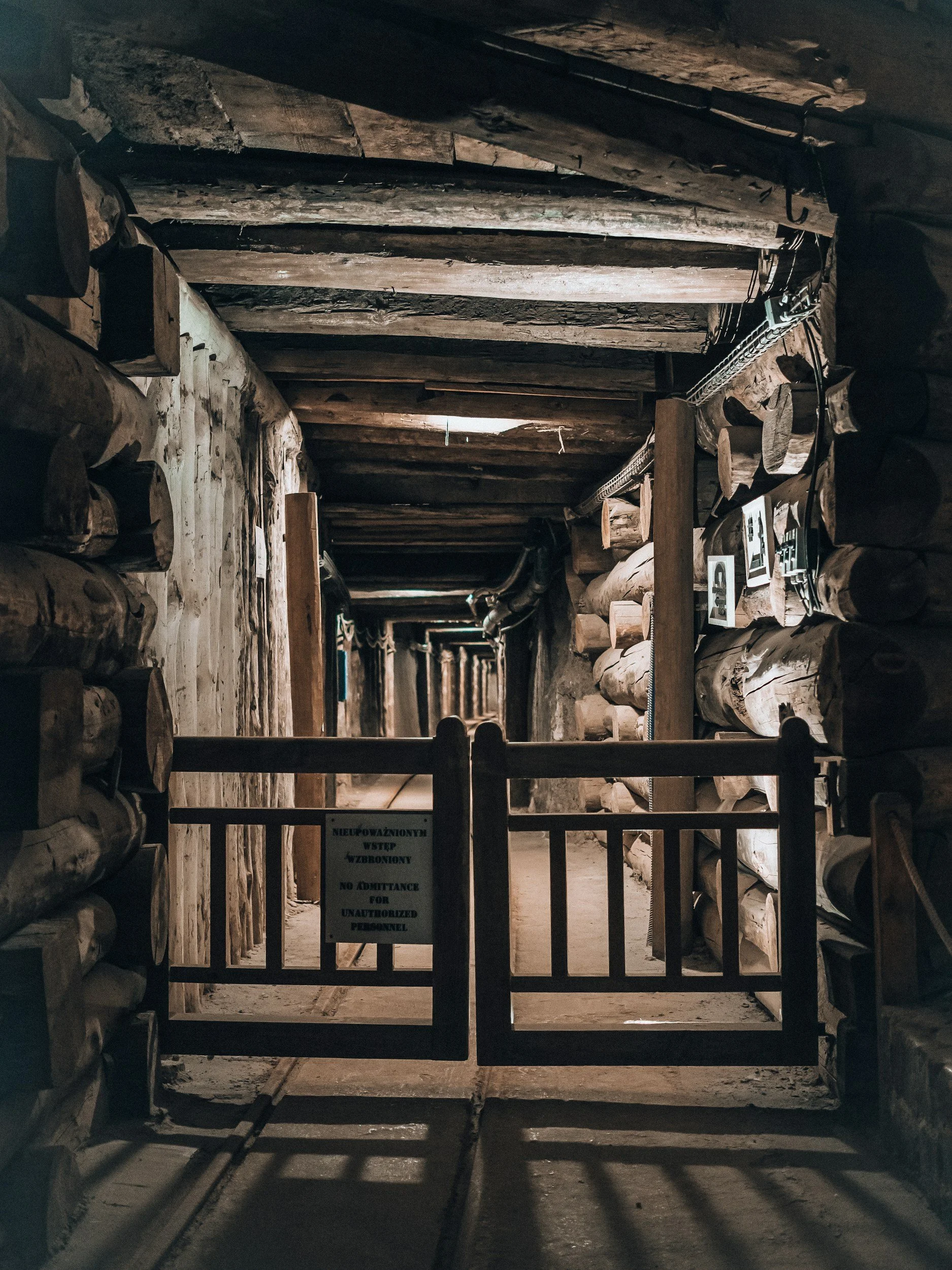
Wieliczka Salt Mine: Underground Architecture
The Wieliczka Salt Mine demonstrates how Polish workers transformed industrial necessity into artistic achievement through underground chambers, sculptures, and chapels carved entirely from salt.
This UNESCO World Heritage site shows how Polish culture found ways to create beauty even in challenging working conditions.
Families explore underground spaces that functioned as both workplace and community center where miners created artistic environments that made difficult work more bearable while demonstrating collective pride in craftsmanship and creative achievement.
The mine's continued operation alongside heritage preservation shows how Polish culture balances practical needs with cultural protection.
Malbork Castle: Teutonic Heritage
Malbork Castle provides families with Central European medieval experience while explaining how Polish culture developed through interaction with Germanic, Lithuanian, and other regional influences.
The castle's massive brick construction demonstrates Gothic architecture adapted to local materials and defensive needs.
Understanding Malbork's history helps families appreciate how Polish identity formed through cultural mixing, political negotiation, and military defense while maintaining distinctive characteristics that distinguished Polish civilization from neighboring cultures.
The castle's preservation demonstrates Polish commitment to protecting heritage that represents complex rather than simple historical narratives.
Meaningful Heritage Planning
Our Polish heritage planning connects families to authentic cultural experiences while managing logistics that enable emotional processing of complex family and historical stories.
We work with local guides whose families maintained Polish traditions while understanding how to help visitors navigate cultural discovery that often involves both celebration and mourning.
Transportation coordination manages Poland's improving infrastructure while ensuring visits to rural areas, family villages, and smaller cities that may lack tourist facilities but offer authentic heritage connections.
Accommodation selection balances contemporary comfort with cultural atmosphere in properties that enhance rather than distract from heritage focus.
Cultural preparation helps families understand Polish history, customs, and social expectations while preparing for emotional responses to heritage discovery that may include joy, sadness, pride, and complex feelings about family migration decisions and historical circumstances.
Creating Polish Heritage Understanding
Poland provides families with perspective on cultural resilience, community cooperation, and maintaining identity during challenging circumstances.
Understanding how Polish culture survived and thrived despite historical obstacles offers contemporary relevance for families facing their own challenges.
Families return from Poland with enhanced appreciation for cultural preservation, family heritage, and community values while understanding how ordinary people create extraordinary cultural achievements through determination, creativity, and mutual support.
Polish experiences provide lasting inspiration about human resilience and cultural possibility.
Ready to discover how Polish heritage demonstrates that beauty and tradition can survive anything history provides?
Contact Around the World Travel and Tours today, and let us guide you through Poland's timeless stories where family roots, cultural resilience, and warm hospitality create meaningful connections that honor the past while inspiring the future.