
Sacred Cyprus: Where Ancient Faith Meets Mediterranean Tranquility
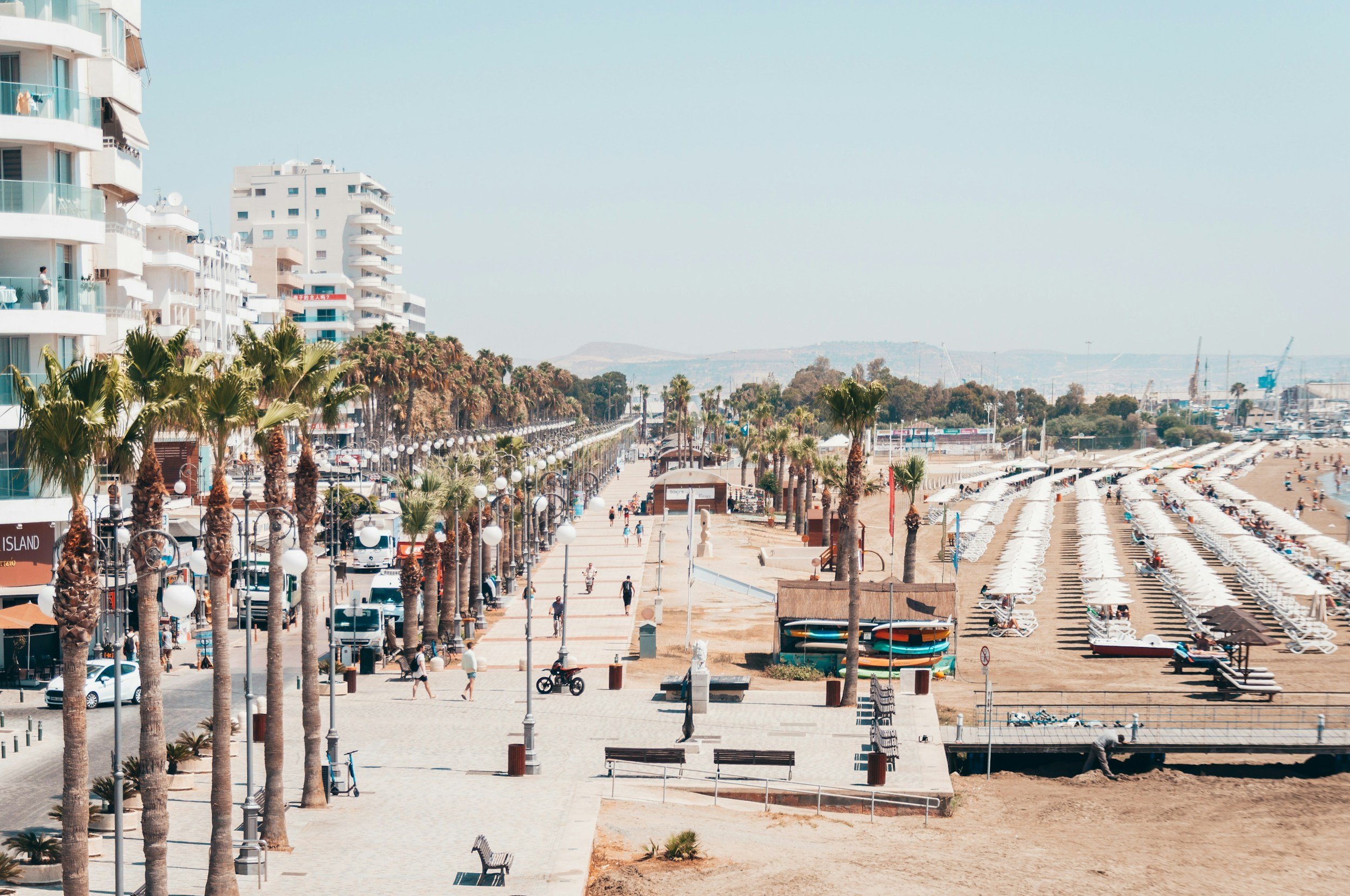
Cyprus doesn't just have sacred sites – it breathes spirituality through landscapes where early Christian communities established roots so deep they've nourished faith communities for nearly 2,000 years.
This is an island where St. Paul preached, where Byzantine churches preserve artwork that survived centuries of political change, and where monastery bells still call faithful to prayers that echo across hills unchanged since apostolic times.
Walking through Cyprus feels like discovering Christianity's family photo album, where every ancient church, weathered icon, and monastery garden tells stories about faith communities that maintained spiritual traditions through empires, invasions, and cultural transformations that would have overwhelmed less rooted religious foundations.
Where Early Christianity Put Down Permanent Roots
Cyprus operates as Mediterranean Christianity's quiet success story, where faith communities established spiritual foundations so solid they've supported continuous religious practice while political systems rose and fell around them.
The island's Christian heritage isn't museum-preserved history – it's living spiritual tradition that continues shaping daily life through prayer, pilgrimage, and community practices that connect contemporary believers to apostolic foundations.
Cypriot Christianity developed distinctive characteristics through centuries of cultural adaptation while maintaining essential spiritual elements that create recognizable continuity between ancient and contemporary religious practice.
This balance between preservation and adaptation offers spiritual travelers insights into how faith communities maintain authentic tradition while remaining relevant to changing circumstances.
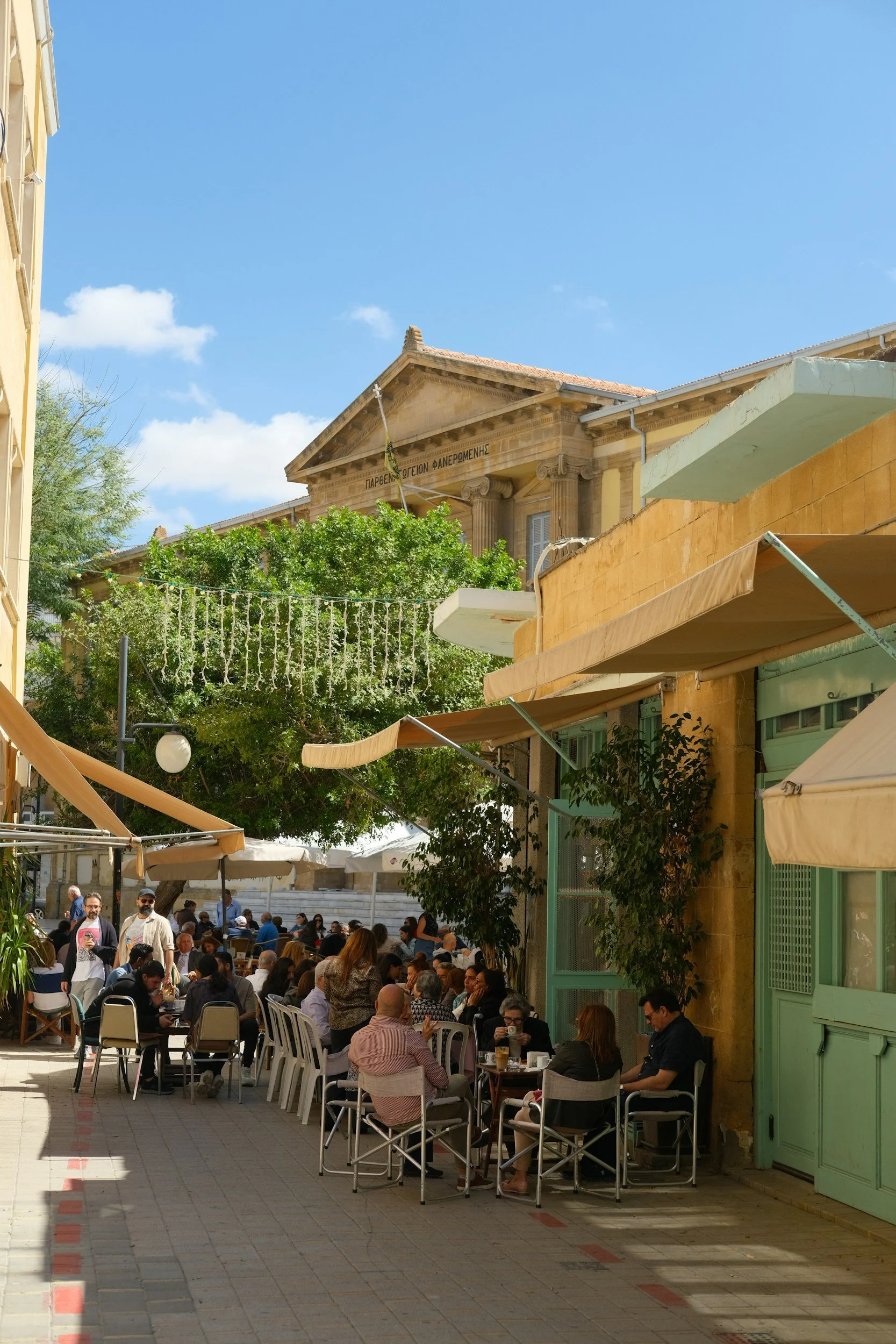
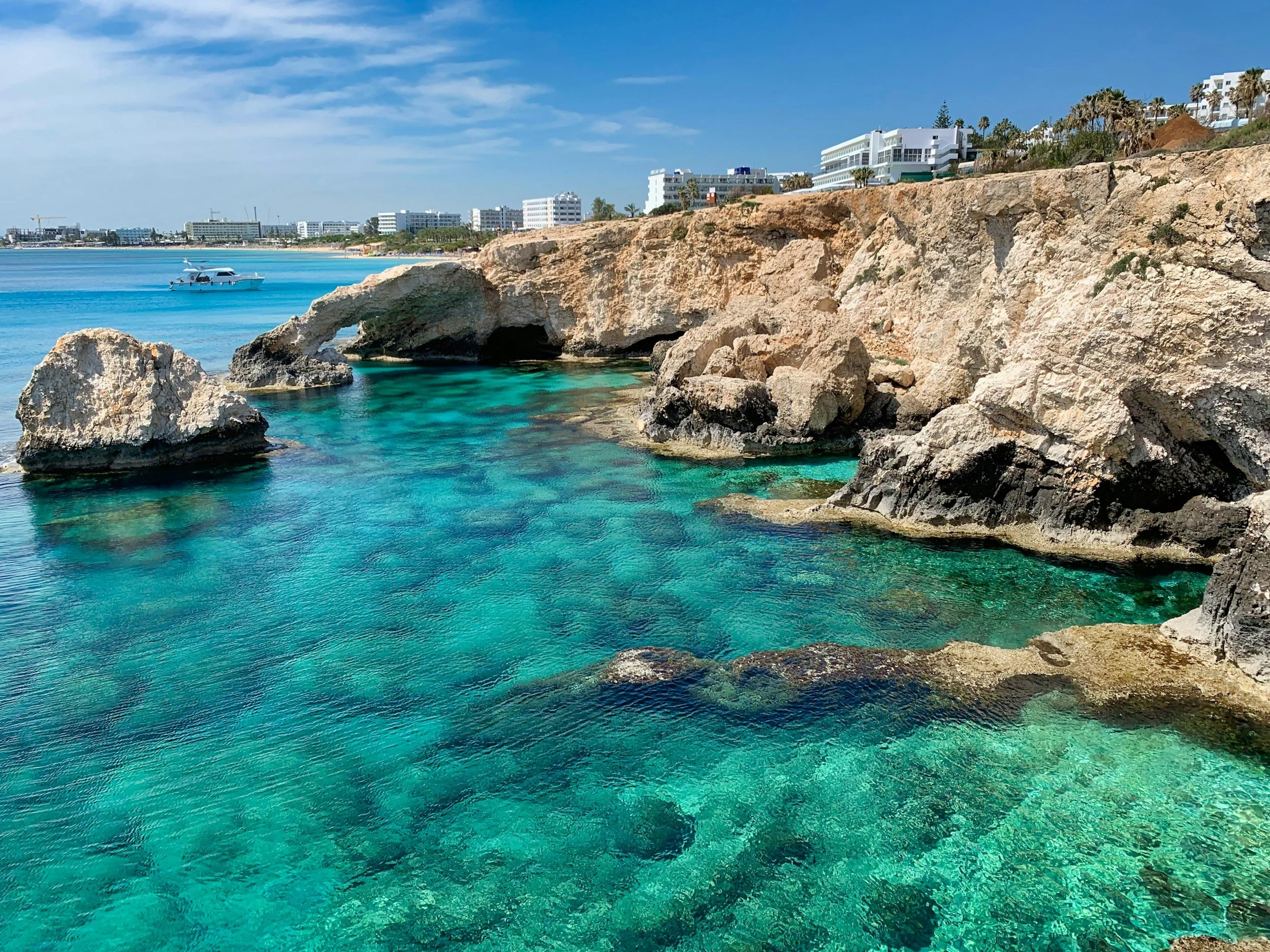
Monasteries Where Silence Speaks Louder Than Words
Kykkos Monastery: Mountain Sanctuary
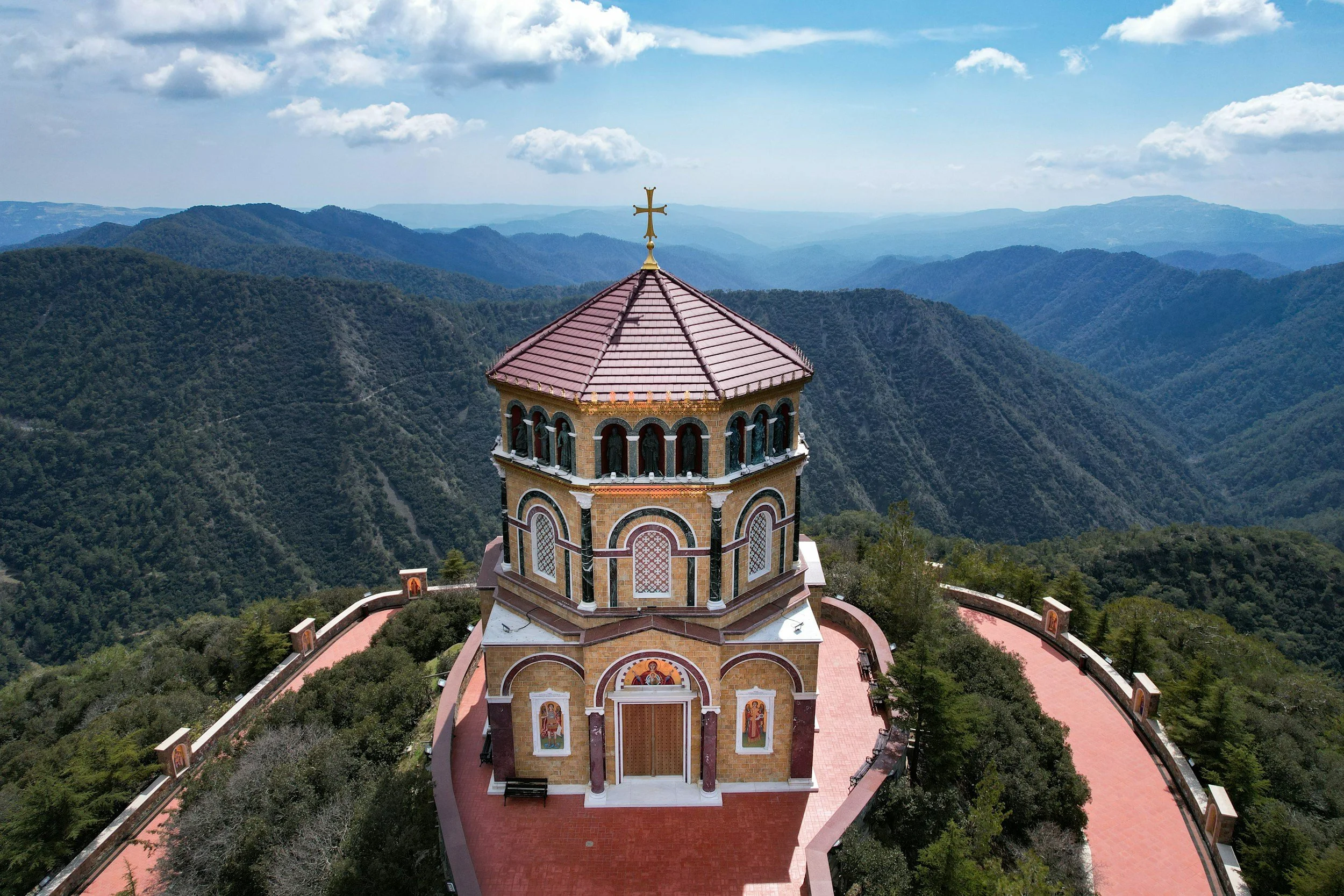
Kykkos Monastery sits high in the Troodos Mountains like a spiritual fortress where centuries of monks preserved not just religious traditions but Greek Cypriot cultural identity during periods when political independence seemed impossible.
The monastery's icon of the Virgin Mary, attributed to St. Luke, draws pilgrims from across the Orthodox world while providing spiritual focus that transcends denominational boundaries.
Walking through Kykkos reveals how monastic communities balanced spiritual contemplation with practical community service, education, and cultural preservation that maintained civilization during challenging historical periods.
The monastery's museum displays religious artifacts alongside items that document how monastic communities served broader social functions while maintaining spiritual focus.
The mountain setting provides natural spiritual retreat where silence, scenic beauty, and religious architecture combine to create environments that encourage reflection, prayer, and spiritual renewal.
Pilgrims experience how geographic isolation enhances rather than limits spiritual community by eliminating distractions while intensifying focus on essential spiritual practices.
St. Neophytos Monastery: Hermitage Tradition
St. Neophytos Monastery demonstrates how individual spiritual calling creates lasting religious institutions through the hermit saint who carved his retreat directly into cliff faces while developing spiritual writing that influenced Byzantine theology.
The monastery's carved cells and painted chapels show how solitary spiritual practice becomes community resource through authentic religious dedication.
The monastery's location in natural caves that were expanded and decorated by successive generations of monks provides insight into how spiritual communities adapt physical environments to support religious life while maintaining connection to natural beauty that enhances prayer and contemplation.
Visiting St. Neophytos offers spiritual travelers understanding of Orthodox monasticism through active religious community where contemporary monks continue traditions established by the monastery's founder while adapting to modern circumstances that require different approaches to spiritual practice and community engagement.
Byzantine Churches: Art as Prayer
Painted Churches of the Troodos
The Troodos painted churches represent one of Christianity's most complete collections of Byzantine religious art preserved in original architectural settings where the artwork was created specifically to enhance liturgical worship and spiritual education.
These UNESCO World Heritage churches contain frescoes that span nearly 1,000 years of continuous artistic development.
Each church tells different stories about how religious communities used visual art to communicate theological concepts, biblical narratives, and spiritual instruction to congregations that often couldn't read written texts.
The paintings function as three-dimensional religious education that continues teaching contemporary visitors about Christian theology, biblical history, and spiritual symbolism.
Asinou Church preserves 12th-century frescoes in near-perfect condition, providing spiritual travelers with direct visual connection to medieval Christian spirituality while demonstrating artistic techniques that influenced religious art across the Orthodox world.
The church's intimate scale creates environments where artwork supports rather than overwhelms personal prayer and reflection.
Panagia Phorbiotissa: Living Spiritual Heritage
Panagia Phorbiotissa demonstrates how rural religious communities maintained sophisticated spiritual and artistic traditions while serving agricultural populations through centuries of political change.
The church's frescoes combine theological sophistication with folk art accessibility that speaks to diverse spiritual backgrounds and educational levels.
The church continues serving local religious community while welcoming pilgrims who seek spiritual renewal through authentic religious environments where contemporary worship happens in settings that have supported Christian prayer for centuries.
This combination of historical preservation and living religious practice provides spiritual depth often missing from purely museum experiences.
Apostolic Connections That Feel Personal
Salamis: Where St. Paul and St. Barnabas Preached
Salamis archaeological site provides spiritual travelers with direct connection to apostolic Christianity through locations where St. Paul and St. Barnabas established Cyprus's first Christian communities.
Walking through ancient city ruins while understanding their significance to early Christian mission helps contemporary believers appreciate challenges faced by apostolic evangelists.
The site's theater, gymnasium, and residential areas reveal the sophisticated urban culture that early Christians engaged while establishing religious communities that would influence Mediterranean Christianity for centuries.
Understanding this cultural context helps spiritual travelers appreciate how Christianity adapted to diverse social environments while maintaining essential spiritual messages.
St. Barnabas Monastery, built near the saint's traditional burial site, provides pilgrimage destination where Cyprus's patron saint continues drawing believers seeking spiritual intercession and cultural connection to apostolic foundations.
The monastery's active religious community demonstrates how apostolic heritage continues influencing contemporary spiritual practice.
Paphos: UNESCO Heritage with Spiritual Significance
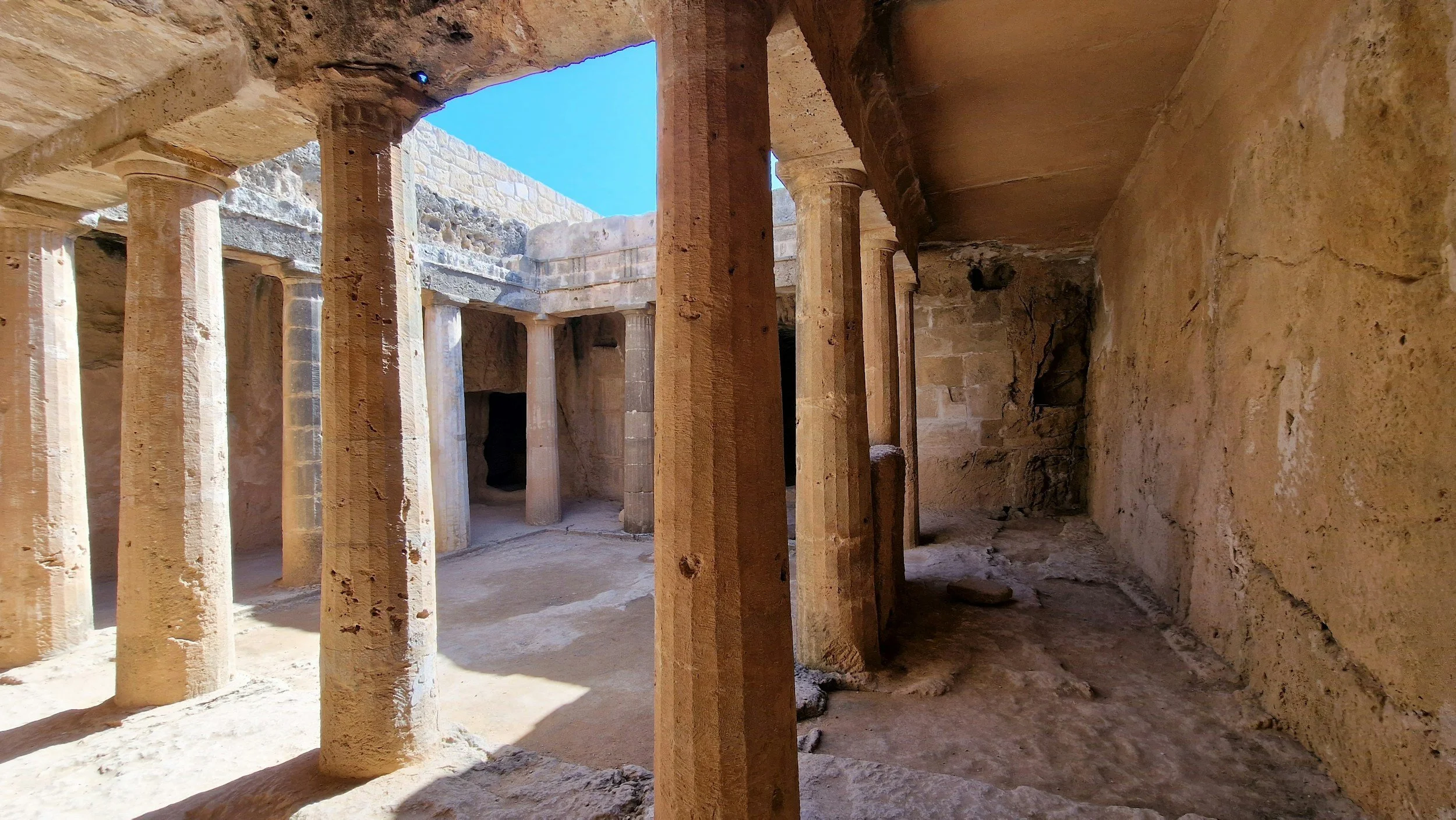
Paphos combines archaeological significance with spiritual heritage through sites where early Christian communities established themselves within predominantly pagan urban environments.
The city's mosaics, catacombs, and early church remains provide context for understanding how Christianity developed distinctive characteristics while engaging existing cultural traditions.
St. Paul's Pillar marks the traditional site where the apostle was flogged for preaching Christianity, creating pilgrimage destination that connects contemporary believers to apostolic sacrifice while providing focus for prayer and spiritual reflection about religious persecution and faith courage.
Spiritual Villages Where Faith Shapes Daily Life
Lefkara: Where Tradition Becomes Prayer
Lefkara village demonstrates how spiritual traditions integrate with daily life through lace-making, silversmithing, and architectural preservation that reflects religious values about beauty, craftsmanship, and community cooperation.
The village's churches serve as community centers where religious practice strengthens social bonds while preserving cultural traditions.
Village artisans often describe their traditional crafts as forms of prayer or meditation that connect creative work to spiritual practice, providing visitors with understanding of how religious faith influences artistic expression and economic activity.
This integration of spiritual and practical life offers contemporary believers insights into holistic approaches to religious practice.
The village's architecture reflects Orthodox Christian influence through church placement, household iconostases, and community spaces designed to support religious observance while accommodating family life and economic activity.
Walking through Lefkara provides education about how faith communities create built environments that enhance rather than separate religious and secular activities.
Thoughtful Pilgrimage Planning
Sacred travel requires sensitivity to religious customs, respect for active worship communities, and timing that enables spiritual reflection rather than rushed tourist experiences.
Our pilgrimage planning coordinates visits to active monasteries and churches with religious schedules while ensuring appropriate dress, behavior, and cultural preparation.
We work with local religious guides who understand Orthodox traditions, Byzantine history, and contemporary Cypriot spiritual life while respecting diverse religious backgrounds among pilgrimage participants.
These guides provide cultural and theological context that enhances spiritual appreciation without imposing specific religious interpretations.
Accommodation selection prioritizes properties that maintain quiet, reflective atmospheres appropriate for spiritual travel while ensuring comfort that supports rather than distracts from religious focus. Cyprus offers monastery guest houses, retreat centers, and hotels that understand pilgrimage needs while providing modern amenities.

Creating Spiritual Connections
Cyprus spiritual travel provides lasting impact through direct engagement with living religious traditions that have maintained continuity across centuries of cultural and political change.
Pilgrims return with enhanced appreciation for Orthodox Christianity, early church history, and spiritual practices that remain relevant to contemporary religious life.
The island's combination of historical significance, natural beauty, and active religious communities creates pilgrimage experiences that satisfy both intellectual curiosity and spiritual seeking.
Cyprus demonstrates how religious heritage becomes most meaningful when connected to continuing faith communities rather than preserved as historical artifact.
Ready to experience Christianity's Mediterranean roots through landscapes where faith and beauty have supported each other for nearly two millennia?
Contact Around the World Travel and Tours today, and let us design your sacred Cyprus pilgrimage where ancient monasteries, painted churches, and tranquil villages create spiritual renewal that connects you to apostolic foundations while inspiring contemporary faith.