
Egypt's Timeless Treasures: Where Ancient Wonders Actually Live Up to the Hype
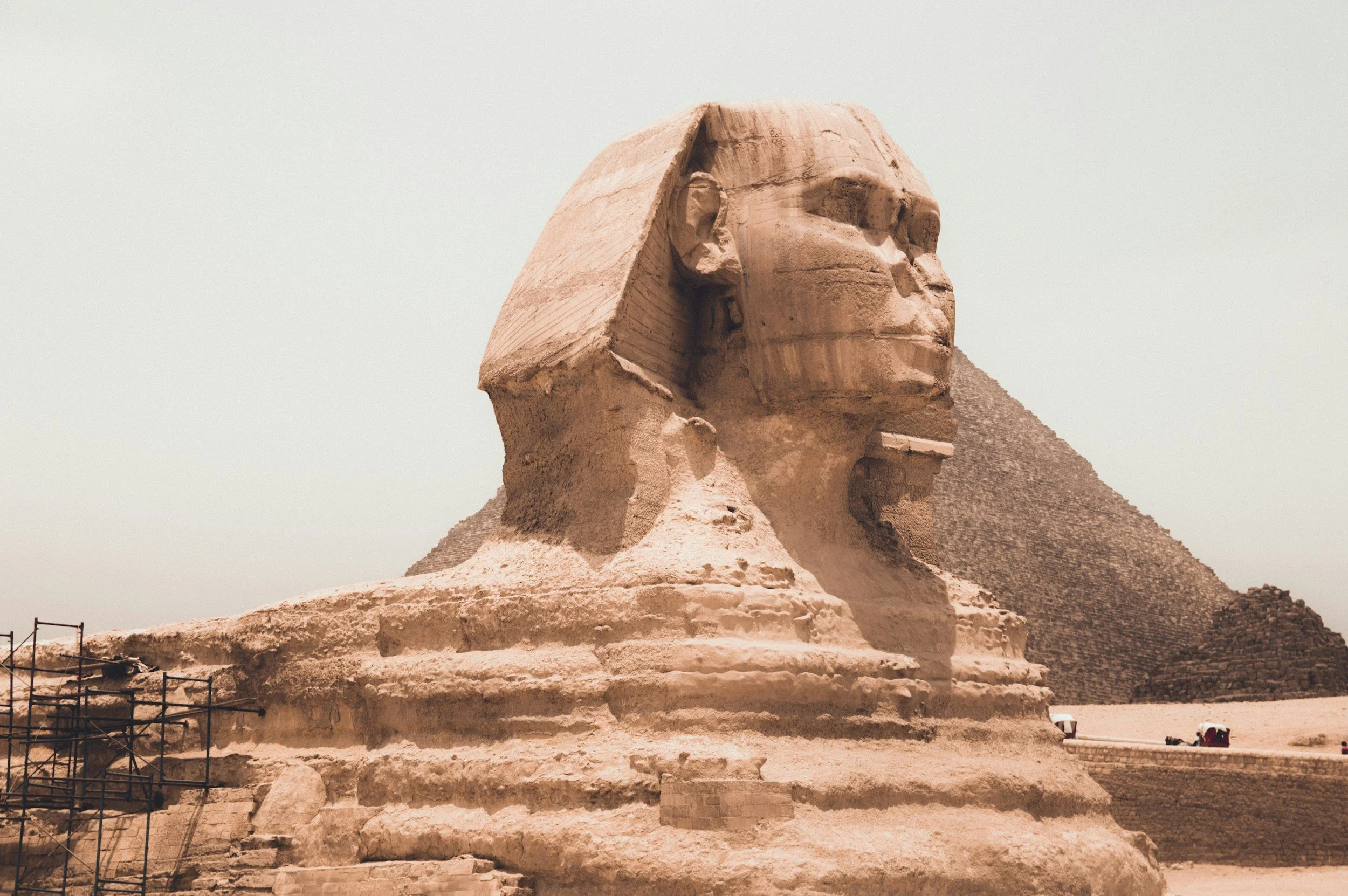
Let's be honest about Egypt: when you first see the Pyramids, your brain temporarily stops working.
Not because they're disappointing – quite the opposite.
It's because your mind genuinely cannot process that humans built these things 4,500 years ago using techniques that still puzzle engineers today.
Standing next to the Great Pyramid feels like discovering that your ancestors were secretly wizards.
But here's what makes Egypt magical for families: it's one of the few places on earth where the reality exceeds every childhood dream, movie scene, and history book illustration you've ever encountered.
Egypt doesn't just have ancient wonders – it has ancient wonders that make you question everything you thought you knew about human capability.
When Ancient Civilizations Show Off (And Still Win)
Egypt operates on a completely different scale of impressive.
This is a civilization that was already ancient when Rome was founded, that built monuments so enduring they've become symbols for permanence itself, and that developed art, science, and engineering techniques that influenced every subsequent culture.
Walking through Egypt feels like visiting humanity's greatest hits album, except every track was recorded by the same incredibly talented band over the course of 3,000 years.
The Egyptians didn't just build things to last – they built things to amaze people who wouldn't be born for millennia.

The Pyramids: Engineering That Breaks Your Brain
Standing Where Impossibility Became Reality
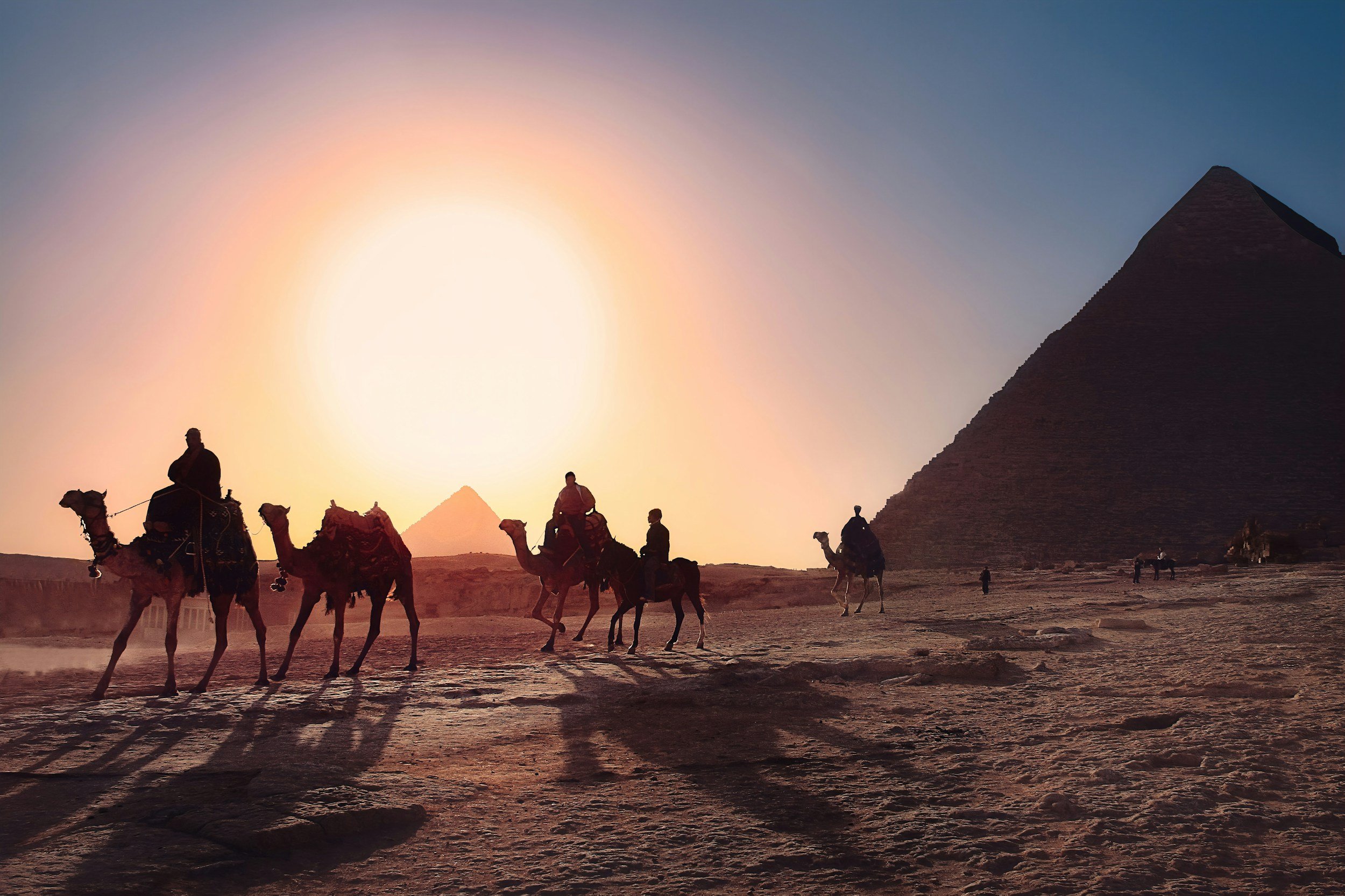
No photograph, documentary, or 3D model prepares you for the actual experience of approaching the Great Pyramid.
It's not just big – it's precisely, impossibly, mathematically perfect in ways that make modern construction projects look sloppy.
Each stone block weighs as much as a car, and they fit together so perfectly you can't slide a piece of paper between them.
Our private pyramid access means you'll experience these monuments without fighting tourist crowds for photographs or straining to hear explanations over noise.
Inside the Great Pyramid, standing in chambers that haven't changed since pharaohs walked these passages, you'll understand why ancient Egyptians believed their rulers became gods – because only gods could conceive and execute projects this ambitious.
The Sphinx adds another layer of mystery to an already mind-bending experience.
Looking into that weathered face, you're making eye contact with an artwork that was already 2,000 years old when Christ was born.
Our Egyptologist guides explain the latest archaeological theories about how and why these monuments were created, but honestly, some questions about ancient Egyptian capabilities remain beautifully, mysteriously unanswered.
Beyond the Famous Three
While everyone knows about the Giza complex, Egypt has over 100 pyramids scattered across the landscape, each telling different stories about pharaonic ambition and ancient engineering evolution.
We'll take you to Saqqara, where the world's first pyramid was built as an experimental project that worked so well it inspired all the others.
The Step Pyramid of Djoser feels like watching ancient architects figure out how to build their way to heaven one level at a time.
Dahshur offers the Bent Pyramid, where you can literally see ancient engineers changing their minds mid-construction and inventing new techniques to solve problems in real time.
These sites receive fewer visitors but provide more intimate experiences with ancient wonders, letting families explore at comfortable paces while absorbing the magnitude of what they're witnessing.
Nile Sailing: Luxury on History's Highway
Floating Through Living History
Sailing the Nile isn't just scenic – it's traveling the route that connected ancient Egyptian civilization and made their empire possible.
The river that provided life to pharaohs still provides life to modern Egyptians, creating continuity between ancient and contemporary cultures that you'll experience daily.
Modern Nile cruises solve every family comfort concern while enhancing rather than diminishing the historical experience.
Climate-controlled cabins provide refuge from desert heat, while deck spaces offer unobstructed views of landscapes that haven't changed significantly since Cleopatra's time.
You'll watch farmers using irrigation techniques their ancestors perfected, fishermen casting nets from boats designed like those depicted in tomb paintings, and children playing along riverbanks where pharaohs once sailed.
Our cruise coordination ensures you'll visit temples and archaeological sites during optimal times – early morning before heat becomes overwhelming, or late afternoon when golden light makes ancient stones glow like they're lit from within.
Between site visits, the ship becomes a floating classroom where Egyptologist guides provide context for what you're experiencing.
Temple Discoveries That Redefine Amazing
The temples along the Nile weren't just religious buildings – they were ancient Egyptian attempts to create heaven on earth, and they largely succeeded.
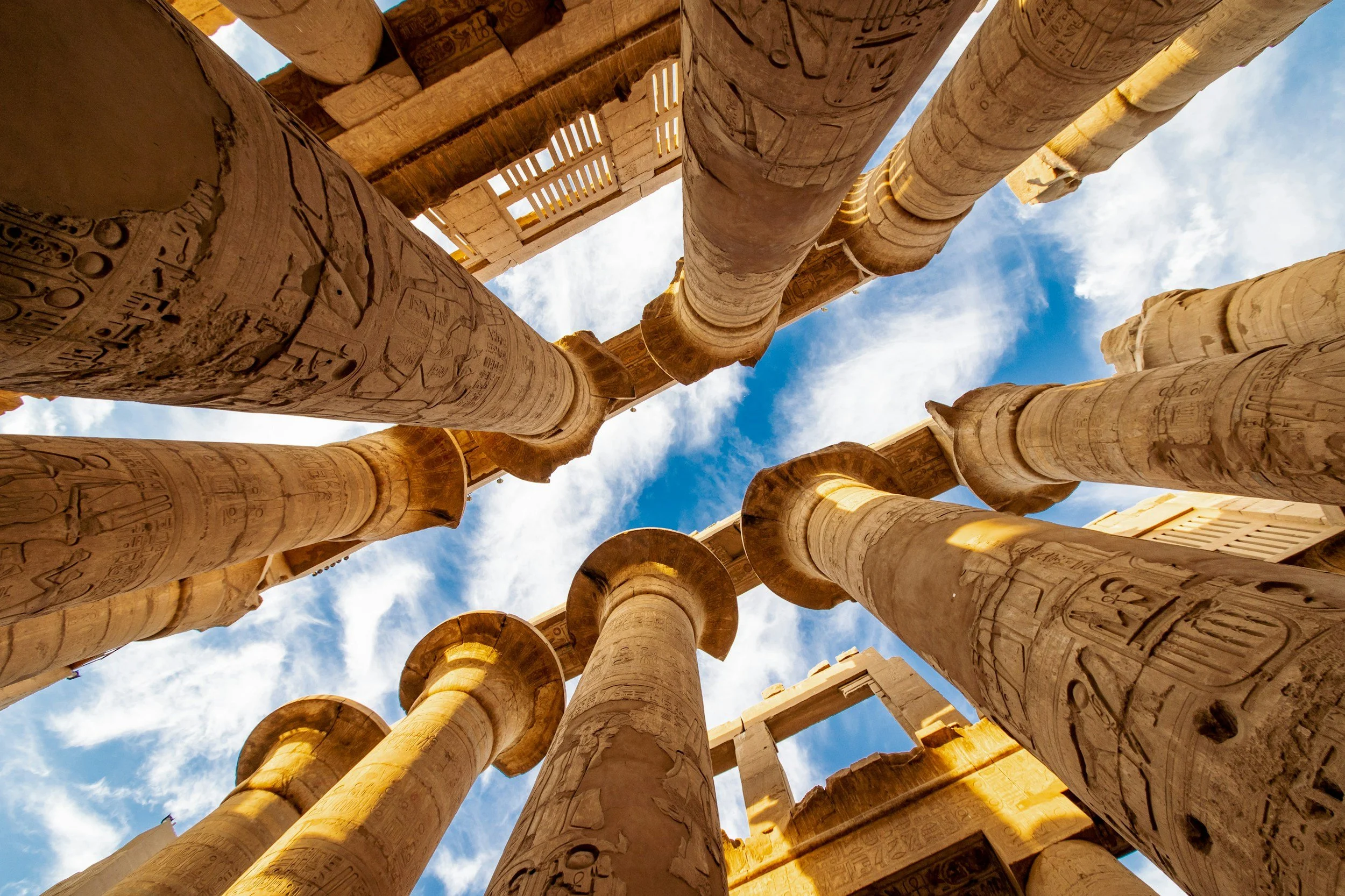
Karnak Temple complex sprawls across 200 acres of columns, halls, and sanctuaries that took 1,500 years to complete.
Walking through this ancient city-sized temple feels like exploring the imagination of an entire civilization.
Abu Simbel represents ancient Egyptian engineering at its most audacious.
Ramesses II didn't just build a temple – he carved it directly into a cliff face, then designed it so the sun illuminates his statue on his birthday and coronation day.
When modern dam construction threatened to flood Abu Simbel, UNESCO moved the entire temple complex block by block to higher ground, creating a modern engineering marvel that honors an ancient one.
Valley of the Kings: Underground Palaces for Eternity
Tombs That Function as Time Machines
The Valley of the Kings contains the most elaborate burial chambers ever created, where pharaohs prepared for eternal life with artwork, treasure, and architectural sophistication that makes contemporary luxury look modest.
These aren't just graves – they're underground palaces designed to house god-kings through eternity.
Tutankhamun's tomb offers intimate connection with Egypt's most famous pharaoh, but the larger royal tombs provide even more spectacular experiences.
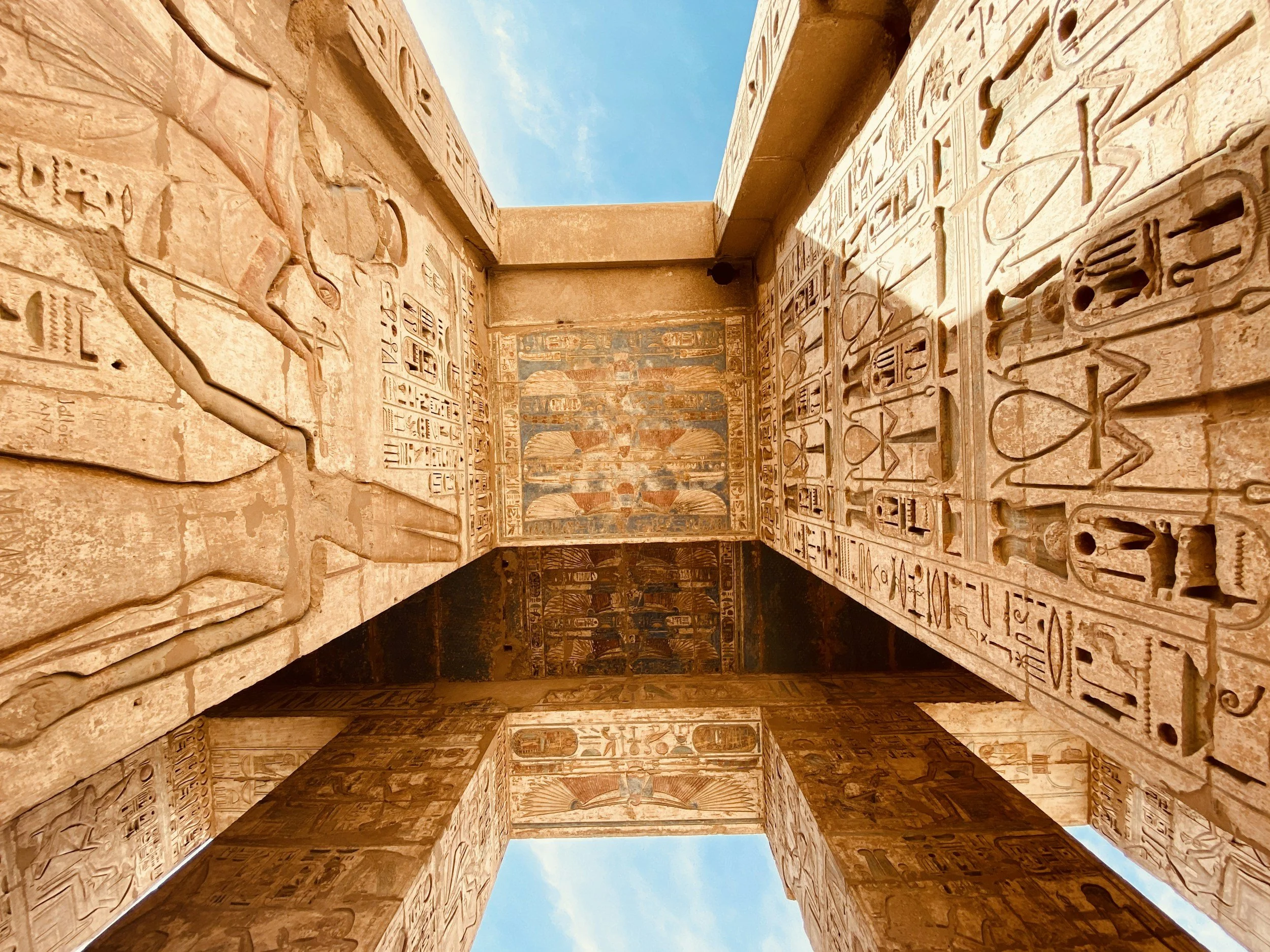
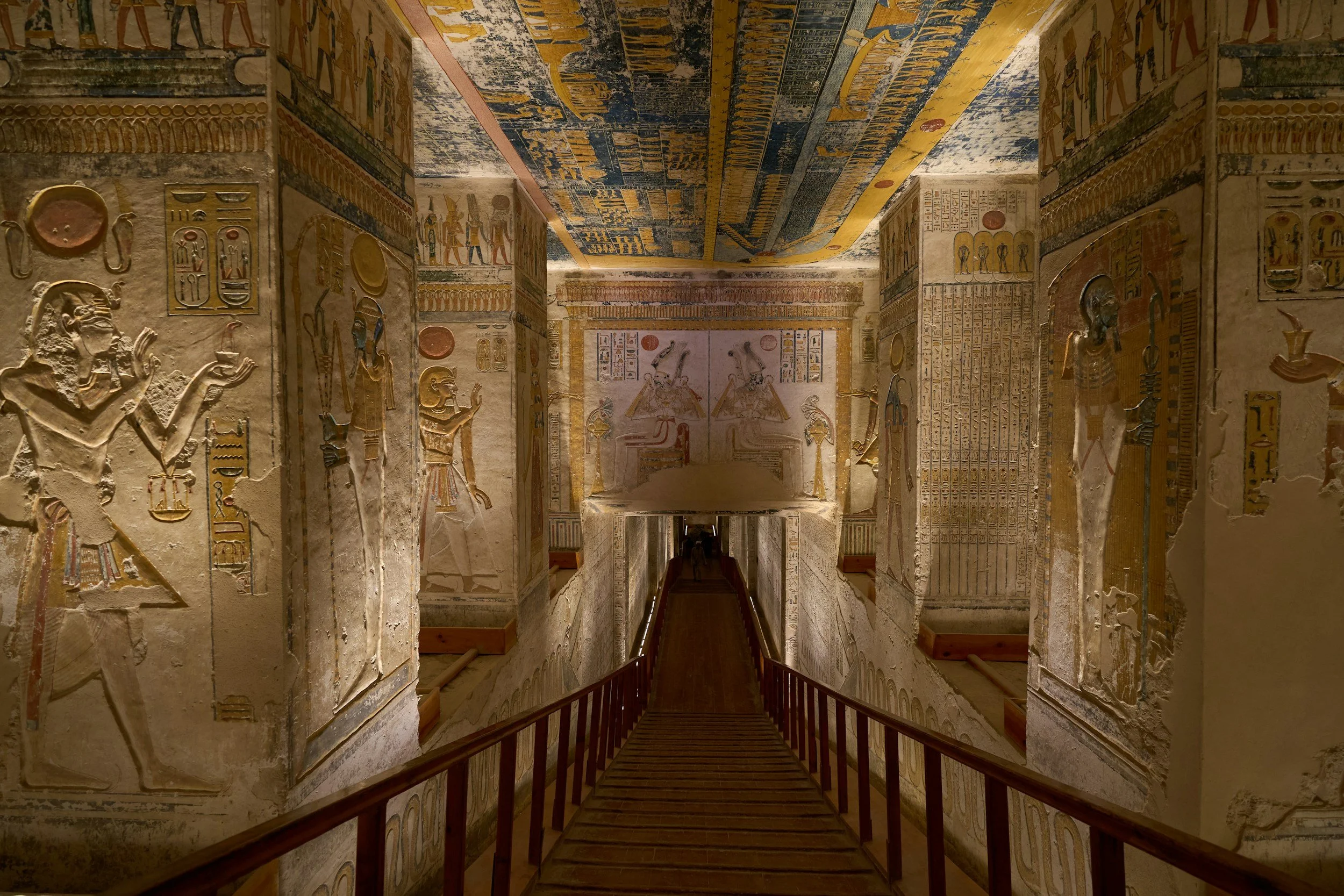
Ramesses VI's tomb descends deep into bedrock through corridors covered floor-to-ceiling with hieroglyphic texts and paintings that maintain their original colors after 3,000 years.
Standing in these chambers feels like reading an ancient Egyptian book written in architecture and art.
Our expert access means you'll visit tombs during less crowded periods and with guides who can decode the hieroglyphic stories surrounding you.
Understanding what these images meant to ancient Egyptians transforms tomb visits from sightseeing into cultural immersion that connects you to one of humanity's most sophisticated belief systems.
Cairo: Where Ancient Meets Contemporary
Museums That House Civilizations
The Egyptian Museum in Cairo contains more treasures than any family can absorb in a single visit, which is why our curated tours focus on pieces that tell compelling stories rather than attempting encyclopedic coverage.
You'll see King Tut's golden funeral mask, ancient jewelry that looks contemporary, and everyday objects that reveal how regular Egyptians lived, worked, and entertained themselves.
The recently opened Grand Egyptian Museum near the Pyramids displays treasures in settings that honor their original grandeur.
Tutankhamun's complete burial collection appears together for the first time, creating experiences that help families understand the wealth, artistry, and spiritual sophistication of ancient Egyptian civilization.
Old Cairo's Cultural Continuity
Coptic Cairo and Islamic Cairo demonstrate how Egyptian culture adapted and evolved while maintaining essential characteristics across different historical periods.
Walking through neighborhoods where Christians, Muslims, and Jews created distinct communities that shared Egyptian identity provides perspective on cultural continuity that spans millennia.

Stress-Free Wonder Management
Exploring Egypt's treasures requires coordination that manages logistics while preserving the magic of discovery.
Our planning handles climate considerations, site access, transportation between widely scattered locations, and timing that ensures optimal experiences without exhaustion.
We work with Egyptologist guides whose expertise transforms ancient monuments from impressive ruins into understandable cultural achievements.
They'll help your family understand not just what ancient Egyptians built, but how they thought, what they valued, and why their civilization influenced every subsequent culture.
Accommodation selection balances historical atmosphere with contemporary comfort, ensuring families rest well between days of intensive cultural discovery.
Whether staying in historic hotels that hosted archaeology's golden age explorers or modern properties with Nile views, you'll sleep comfortably while remaining connected to Egypt's ongoing story.
Creating Egyptian Memories That Last Lifetimes
Egypt changes how families understand human achievement, cultural development, and what becomes possible when civilizations commit to projects larger than individual lifetimes.
Children who experience the Pyramids develop confidence that humans can accomplish seemingly impossible goals, while adults gain perspective on how cultural achievements transcend individual ambition.
The photographs you'll capture and stories you'll share convey not just where you traveled, but how ancient wonders can inspire contemporary life.
Egypt provides families with shared references to human creativity and engineering achievement that influence how you approach challenges and appreciate accomplishments.
Ready to discover why Egypt's ancient wonders still set the standard for impressive?
Contact Around the World Travel and Tours today, and let us guide your family through treasures so timeless they make yesterday and tomorrow feel equally close.