
Turkey for Heritage Seekers: Where Every Coffee Break Comes with 2,000 Years of History
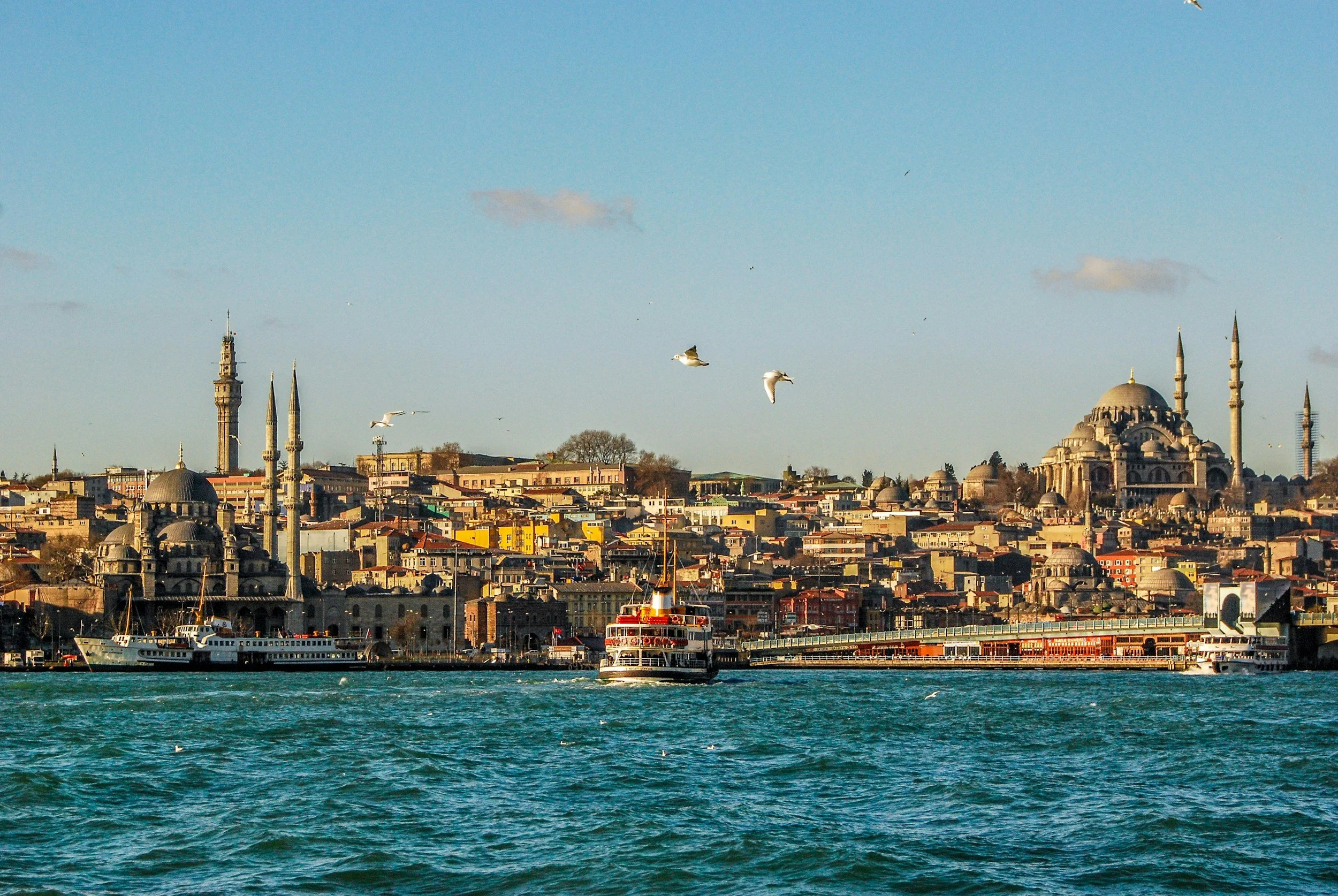
Picture this: you're sipping Turkish tea in a café built into a 400-year-old caravanserai, discussing Byzantine mosaics with a local artisan whose family has been making ceramics since the Ottoman Empire, while planning tomorrow's visit to ruins that predate Christ.
This is just Tuesday in Turkey.
Turkey doesn't do heritage tourism – it does heritage immersion.
This is a country where you don't visit history; you live alongside it, chat with it over dinner, and occasionally trip over a Roman column someone forgot to mention was hiding under the sidewalk.
When Three Empires Decide to Share the Same Address
Turkey is what happens when Roman engineers, Byzantine architects, and Ottoman designers all work on the same project across different centuries and somehow create something more beautiful than any of them could have managed alone.
Walking through Turkish cities feels like time travel, except the WiFi works and the food is exceptional.
The Romans built the foundations, the Byzantines added the domes, the Ottomans contributed the gardens, and modern Turks figured out how to make it all work together while serving you the best breakfast you've ever had.
It's cultural layering at its most sophisticated, where each civilization preserved what came before while adding their own signature style.
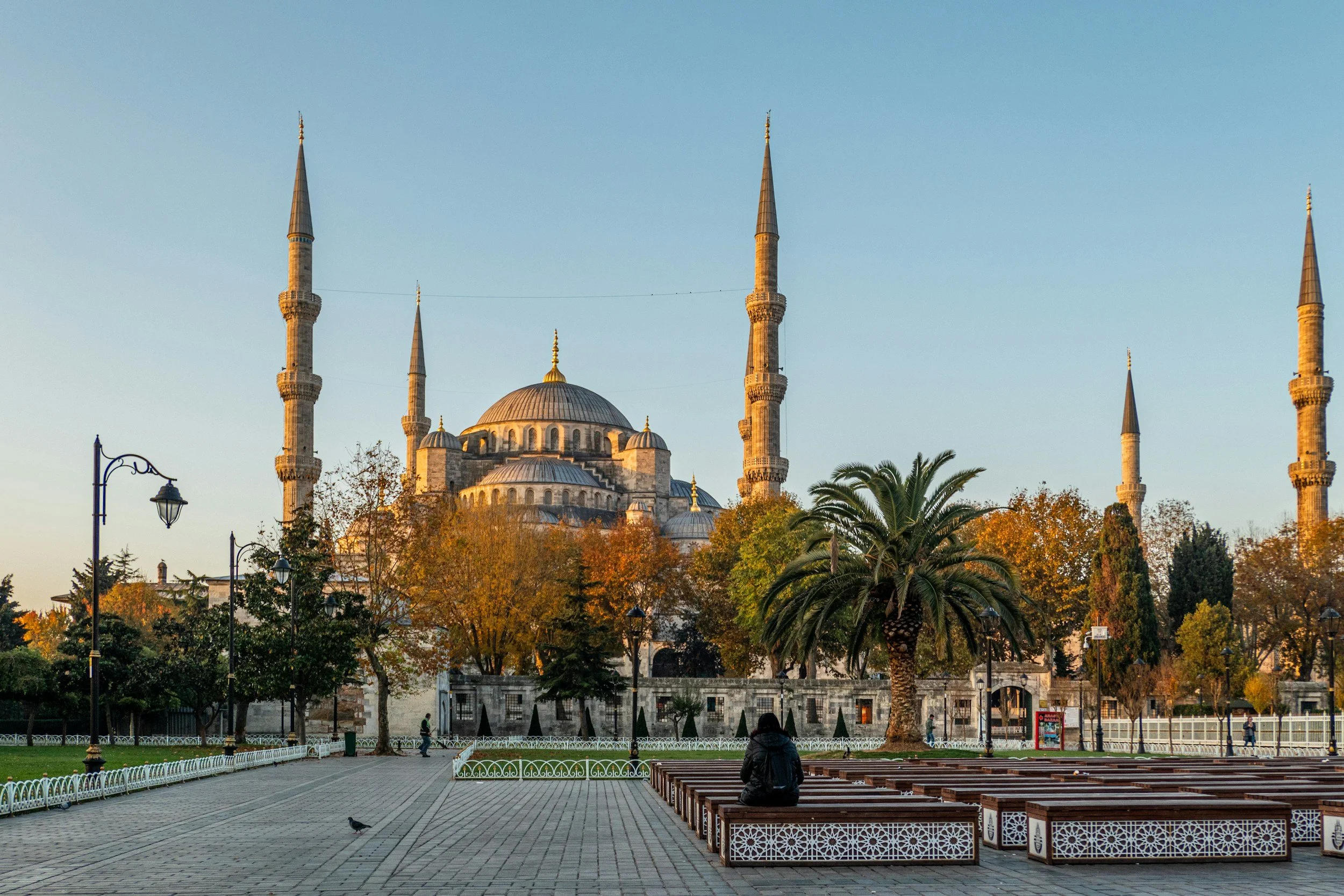
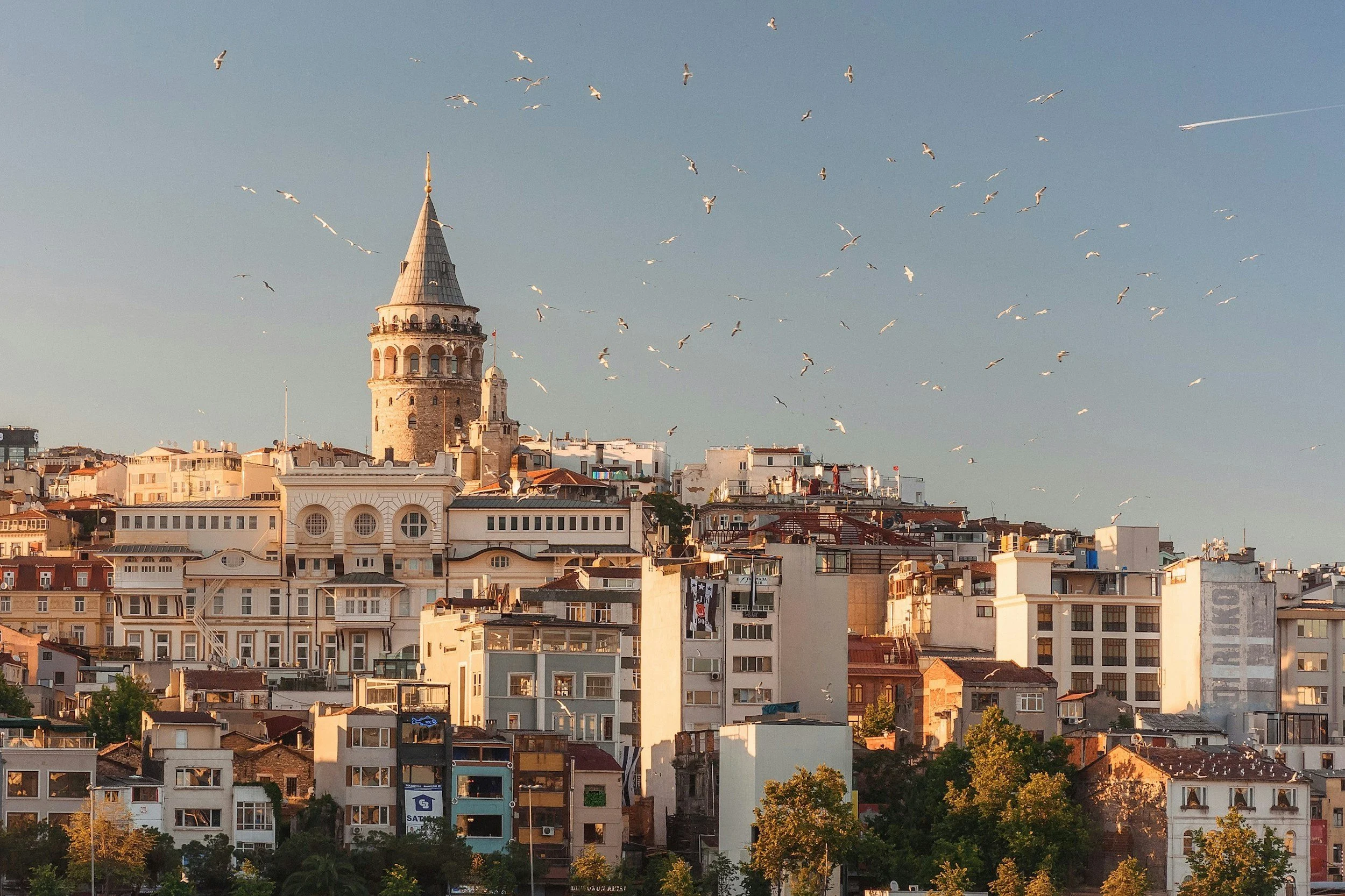
Istanbul: The City That Collected Empires Like Vintage Wine
Standing Where History Changed Direction
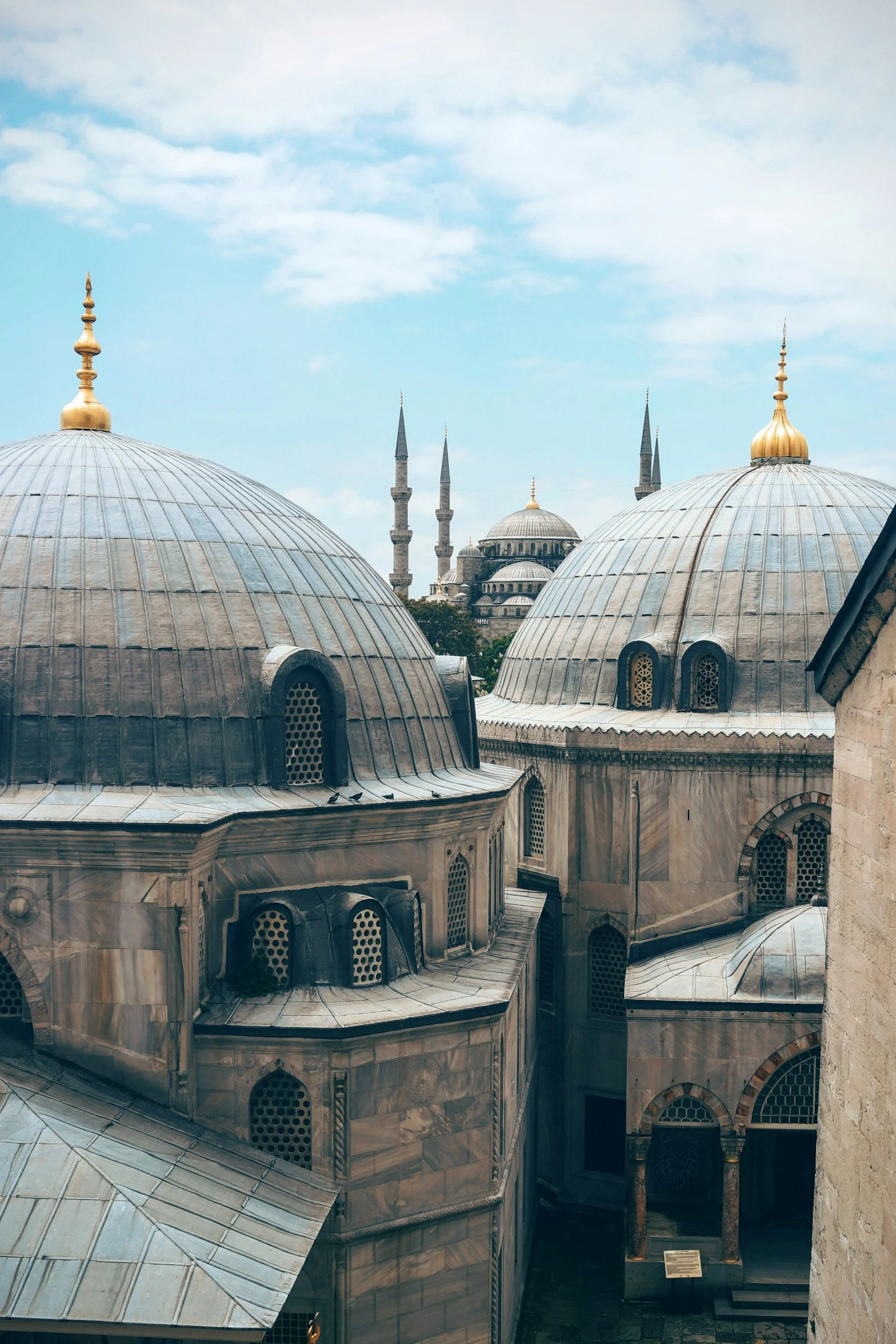
The Hagia Sophia isn't just a building – it's a 1,500-year conversation between cultures. Standing inside, you're witnessing the moment when the Roman Empire became Byzantine, when Byzantine became Ottoman, and when all of those influences learned to coexist in the same sacred space.
Christian mosaics shine down on Islamic calligraphy, and somehow it all feels perfectly natural.
Our guides don't just explain the architecture; they tell you stories about the craftsmen who created these marvels, the emperors who commissioned them, and the ordinary people who prayed here across fifteen centuries.
You'll understand why this building changed how the world thought about engineering, religion, and what was possible when cultures decide to build on each other's achievements instead of tearing them down.
The Grand Bazaar: Where Commerce Became Culture
Walking into the Grand Bazaar is like entering a 560-year-old time capsule where business hasn't just survived – it's thrived.
This isn't a tourist market pretending to be authentic; it's an authentic market that happens to welcome tourists.
The same families have been running shops here for generations, preserving craft techniques that their great-great-grandfathers perfected.
You'll meet carpet weavers who can explain how a single rug tells the story of a village, region, and historical period.
Ceramic artists whose families fled here during various empires will show you glazing techniques that were ancient when America was founded.
And yes, you'll learn to bargain – not because it's touristy, but because negotiation has been part of Turkish commercial culture since before Columbus sailed west.
Artisan Neighborhoods Where Tradition Lives
Istanbul's artisan quarters operate like living museums where the exhibits are still practicing their crafts.
In the shadow of ancient mosque complexes, master craftsmen teach apprentices techniques that connect directly to medieval guilds.
You'll watch calligraphers create art using methods unchanged since the Ottoman court, and metalworkers who forge contemporary pieces using traditional tools their grandfathers would recognize.
These aren't performances for tourists – they're working artisans maintaining traditions because those traditions still matter.
When you commission a piece of calligraphy or buy hand-forged jewelry, you're participating in cultural preservation that spans centuries.
Ephesus: When Ancient Cities Feel Like Neighborhoods
Walking Streets That Knew St. Paul
Ephesus offers something most archaeological sites can't: the feeling that people just stepped away temporarily.
The marble streets are worn smooth by Roman sandals and Byzantine shoes, the library facades still command respect, and the theater acoustics work so well you can whisper from the stage and be heard clearly in the back rows.
Standing in the Library of Celsus, you're not just looking at ancient architecture – you're experiencing what happened when Roman engineering met Greek artistic vision and created something that influenced library design for the next 2,000 years.
The building still feels like it was designed to inspire learning, which makes sense since it held 12,000 scrolls when London was barely a village.
Our heritage guides help you understand how these ancient residents lived, worked, and entertained themselves.
You'll walk residential streets where middle-class Romans dealt with the same neighborhood issues people face today – just with more elaborate mosaics and better plumbing than most ancient cities managed.
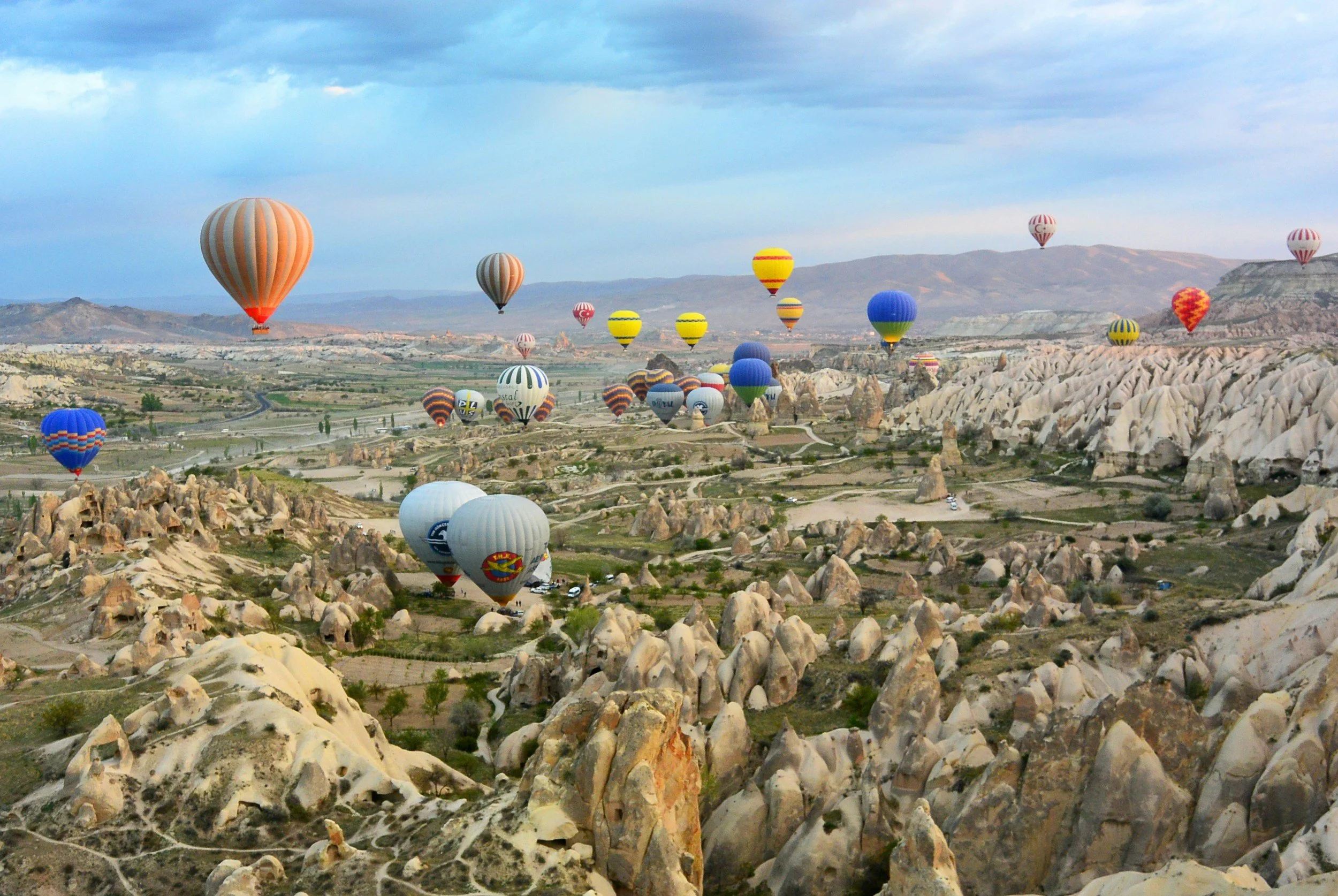
Cappadocia: Where Geography Became Architecture
Underground Cities That Redefine Possible
Cappadocia's underground cities weren't built – they were carved.
Entire communities lived beneath the surface for months at a time, creating sophisticated ventilation systems, storage facilities, and community spaces that demonstrate engineering skills most people don't associate with ancient civilizations.
Exploring these underground networks feels like discovering secret worlds where families raised children, artisans practiced crafts, and communities maintained cultural traditions despite external pressures.
These aren't tourist caves – they're evidence of human ingenuity and cultural resilience that will change how you think about what ancient people could accomplish.
The rock churches scattered throughout the region contain some of the world's best-preserved Byzantine frescoes, not because they were specially protected, but because the volcanic stone created perfect natural preservation conditions.
Standing in these carved sanctuaries, surrounded by artwork that survived because geography and human creativity collaborated perfectly, connects you to early Christian communities in ways that traditional museums simply can't replicate.

Turkish Hospitality: Cultural Heritage You Can Taste
When Strangers Become Family
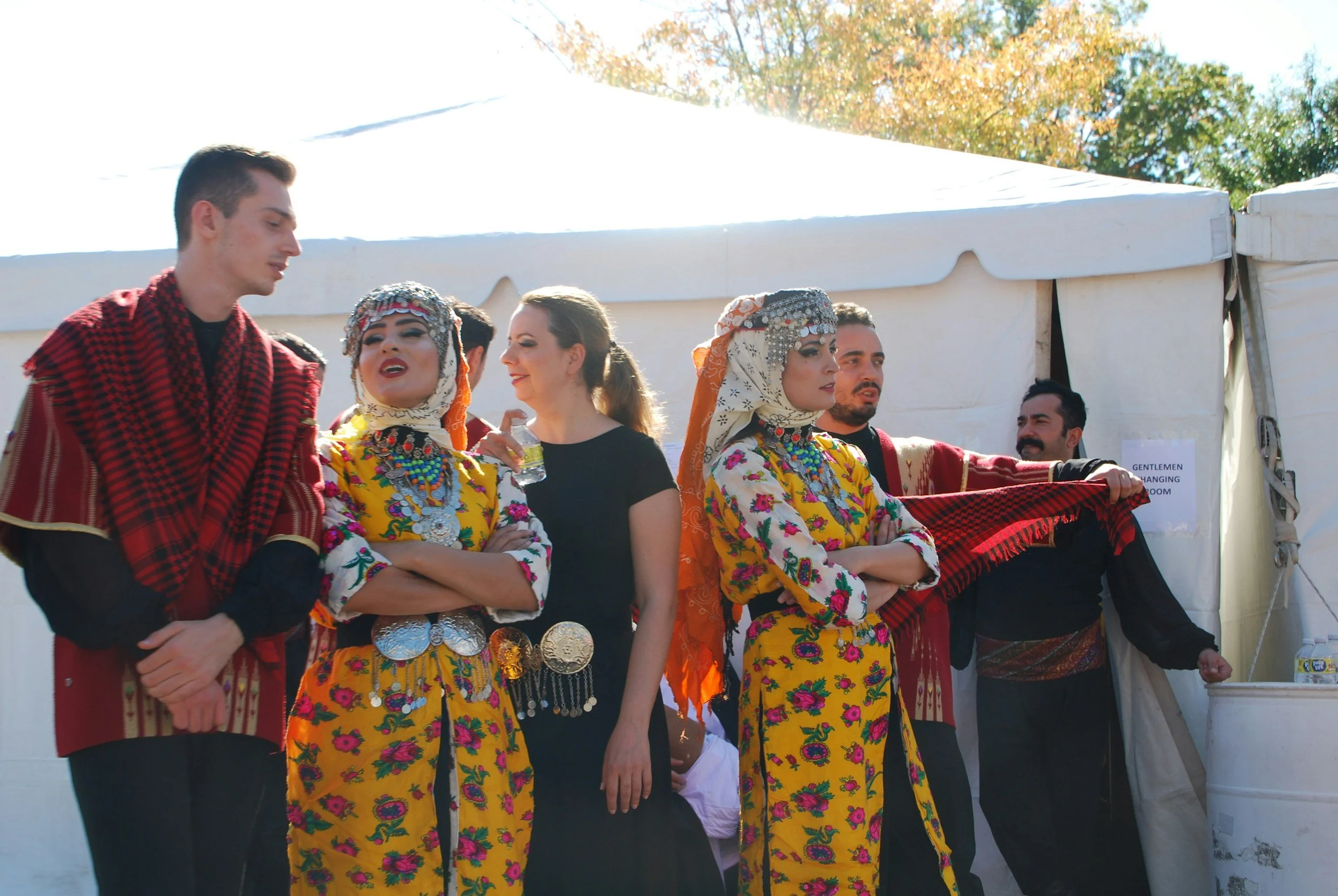
Turkish hospitality isn't a tourism marketing strategy – it's a cultural value that shapes how people interact with visitors.
You'll be invited for tea by people who gain nothing from your visit except the satisfaction of sharing their culture.
Conversations that start with directions end with dinner invitations and lifelong friendships.
This hospitality tradition connects directly to Turkey's position along ancient trade routes, where treating travelers well wasn't just polite – it was essential for community survival and prosperity.
When your host insists you try their grandmother's recipe or shares family stories over endless glasses of tea, you're experiencing heritage preservation through daily practice.
The meals become cultural education as naturally as conversation.
You'll learn why certain spices arrived with specific historical periods, how cooking techniques reflect regional geography, and why sharing food remains central to Turkish social structure.
Every dinner invitation becomes an impromptu heritage lesson delivered with warmth and humor.
The Art of Stress-Free Heritage Discovery
Turkish heritage travel works best when you have local guides who grew up understanding these cultural layers and can translate complex history into compelling human stories.
Our heritage specialists don't just know the facts – they understand how to help visitors connect emotionally with places and traditions that might otherwise feel overwhelming or foreign.
We handle the logistics that can complicate heritage travel – transportation between sites, accommodation in locations that enhance rather than distract from cultural experiences, and timing that allows for both planned discoveries and spontaneous cultural encounters.
You'll have time to process what you're learning instead of rushing between checkpoints.
Creating Heritage Connections That Last
Turkey changes how visitors understand cultural development, religious tolerance, and what becomes possible when civilizations build on each other's achievements instead of destroying them.
These aren't abstract historical lessons – they're practical insights gained through direct experience with living culture.
The artisan techniques you observe, the hospitality customs you experience, and the architectural innovations you explore provide perspectives that influence how you see contemporary global challenges.
Understanding how Turkey successfully blended diverse cultural influences offers hope and practical examples for building inclusive communities.
Ready to discover heritage travel that feels like joining a family with 3,000 years of stories to share?
Contact Around the World Travel and Tours today, and let us introduce you to Turkey's layered heritage where ancient wisdom meets contemporary warmth, creating cultural understanding that feels both profound and wonderfully human.